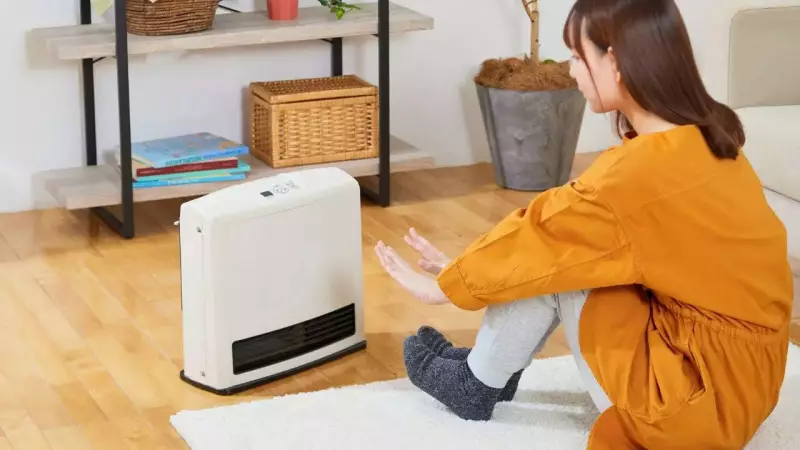
As winter deepens across India, the chill doesn't just announce itself with a dramatic gust. It seeps in quietly, making floors colder in the morning and causing the air to feel still and heavy. While switching on a heater is the immediate reflex for many, not every household has access to one, and constantly running them isn't always practical or affordable. True warmth isn't solely generated by machines; it's also about how a space retains the heat that's already present.
Seal the Leaks and Trap the Heat
Cold air rarely makes a grand entrance. It infiltrates homes through unnoticed gaps around doors and windows. These tiny drafts, often ignored, are a primary reason a room feels persistently cold. A simple check of door edges and window frames can make a significant difference. Placing a rolled-up towel or a draft stopper at the bottom of doors is a remarkably effective barrier. Similarly, ensuring curtains are fully drawn across windows in the evening acts as an extra layer of insulation, helping to trap indoor warmth. The goal is to slow down the exchange of cold air, not to create an airtight seal.
Transform Floors and Walls for Instant Comfort
The material of your floor has a profound impact on how cold a room feels. Stone, tile, and marble surfaces retain chill for hours, transferring it directly to your feet and body. Adding a carpet or even a few well-placed rugs can change the room's feel instantly. It's not necessary to cover the entire floor; a rug near the bed, sofa, or work area creates islands of warmth. Fabric inherently holds heat and adds a soft, cosy texture to the space.

Don't neglect your walls. Bare walls can contribute to heat loss. Hanging fabric tapestries, thick curtains, or even decorative blankets can act as a subtle insulating layer. Furniture placement also plays a role. Wooden furniture retains warmth better than metal or glass. Moving sofas and chairs slightly away from exterior walls can reduce the chill you feel. Adding cushions and throws provides both visual warmth and physical insulation.
Leverage Bedding and Your Kitchen's Natural Warmth
Your bed is more than a place to sleep; it's a heat reservoir. Layered bedding with thick blankets and quilts traps body heat that would otherwise dissipate into the room. This warmth slowly radiates out, gently raising the ambient temperature. In older or particularly drafty homes, using heavier curtains around the sleeping area can create a warmer micro-climate.
One of the most overlooked sources of free heat is your kitchen. Cooking and boiling water generate steady warmth and add beneficial moisture to the dry winter air. Leaving the kitchen door open for a while after cooking allows this warm air to circulate into adjoining rooms. This practice is especially useful in the evenings when temperatures drop. It's a natural, energy-efficient way to use your home's own activities to fight the cold.
Ultimately, creating a warm home in winter is often about mindful habits and small adjustments. Warmth can accumulate slowly, stay quietly in the corners, and make the harshness of the season feel a little more gentle. By focusing on how to retain existing heat, you can achieve significant comfort without necessarily turning to an appliance. These time-tested methods, used long before electric heaters became commonplace, offer a sustainable and cost-effective path to a cosier winter.