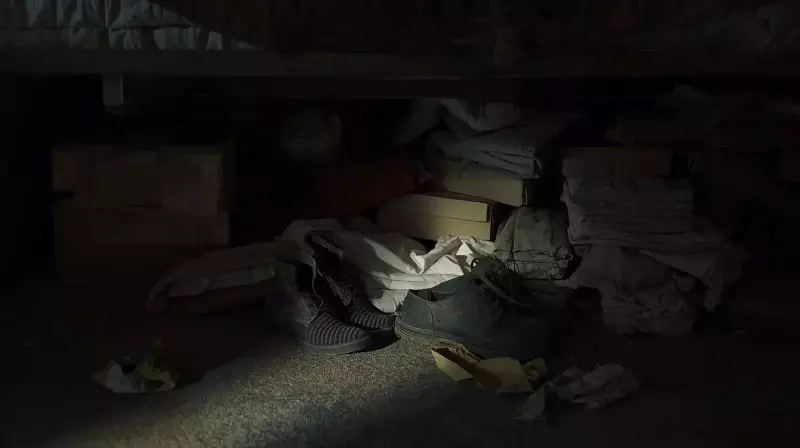
That shadowy space beneath your bed might seem like a perfect, out-of-sight storage solution, but experts warn it's a hotspot for problems. Unlike a cupboard or shelf, this low, dark area is often forgotten, becoming a layer of dust and a haven for pests. While many Indian homes use it for overflow when wardrobes are full, what starts as a tidy hack can lead to damaged belongings and health issues.
The Hidden Dangers of Under-Bed Storage
Why is this specific space so problematic? Beds sit very low to the ground, severely restricting airflow. This stagnant environment allows dust to settle much faster than on open surfaces. Furthermore, small insects and pests find it easy to traverse the floor and settle in where they find materials like paper or fabric. The biggest issue is neglect: items stored here are rarely checked, meaning damage, mould, or infestations can go unnoticed for months or even years.
7 Common Items to Keep Away From Under Your Bed
Before you slide another box into that dark void, consider this list of items that are better stored elsewhere in your home.

1. Paper and Cardboard: This includes old letters, books, photographs, and even empty shoe boxes. Paper products are a magnet for insects like silverfish and cockroaches that can slowly eat away at your precious memories. Cardboard breaks down easily in damp, dusty conditions, leading to stains and structural damage.
2. Spare Bedding and Blankets: Loose textiles like extra pillows, quilts, and blankets act as giant dust magnets. They accumulate invisible particles that can aggravate allergies and respiratory problems when you eventually use them. Unless sealed in an airtight container, store bedding in a cupboard where air can circulate better.
3. Leather Goods: Leather shoes, bags, or jackets stored under the bed are prone to drying out and cracking. The dusty, often dry environment is harsher than it appears. If you must store leather there, use a solid, sealed container rather than a fabric bag.
4. Heavy or Bulky Items: Large suitcases, spare mattresses, or exercise equipment are a dual hazard. Lifting them out strains your back and shoulders, and dragging them can scrape your floors. Storage should not require a physical struggle.
5. Any Food Items: This is a critical rule. Even food sealed in cardboard or packets can attract mice, ants, and other pests. They can easily chew through packaging, and lingering smells will encourage them to return. Bedrooms are simply not designed for food storage.
6. Electronics: Dust is the enemy of electronics. It can clog vents, interfere with moving parts, and cause overheating. Devices with batteries pose an additional risk in warm, confined spaces. Storing gadgets like old laptops or consoles under the bed significantly increases the chance of malfunction.
7. Emotional Clutter: Professional organisers often highlight the psychological impact. Items tied to regret, past relationships, or unused goals can subconsciously affect the room's atmosphere. Sleeping above a cache of unresolved clutter rarely contributes to restful sleep.
What is the Best Solution for Under-Bed Space?
The simplest advice from experts is to store nothing under the bed at all. An empty space is easier to clean and creates a calmer, more open feel in the bedroom. If you absolutely need the storage, opt for clear, airtight plastic containers with wheels. These keep dust and pests out and make accessing your items far easier, ensuring they don't fall into the 'forgotten' category.
Re-evaluating what you hide away can lead to a healthier, more organised, and more serene bedroom environment. It's a small change with significant benefits for your home and well-being.