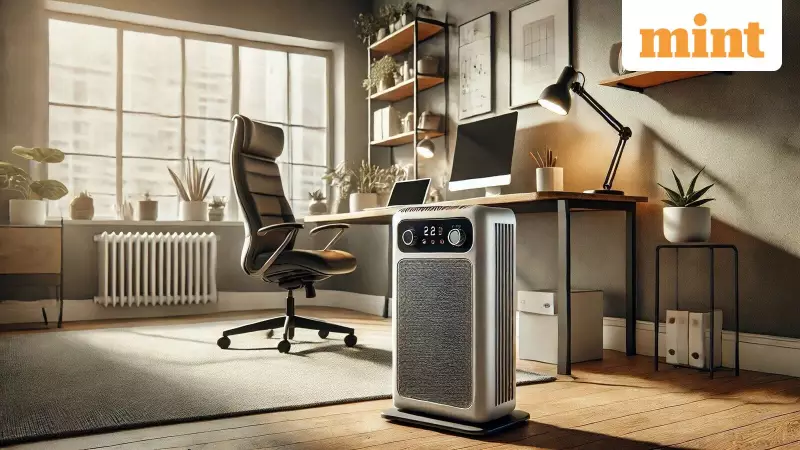
When winter's chill sets in across India, the quest for a warm, comfortable home begins. For those with spacious rooms, the solution seems simple: buy a heater with the right capacity for your square footage. Yet, many homeowners face a puzzling reality. Two rooms of identical size can feel worlds apart when heated, with one becoming a cosy retreat while the other remains stubbornly cold and draughty. This common experience, detailed in an article published on 22 December 2025, highlights that room size is just the starting point for heating comfort.
The Hidden Culprits Behind Uneven Heating
The performance of a room heater is dictated by a complex interplay of factors that go far beyond mere dimensions. Large rooms, in particular, magnify these differences because heat has a vast area to distribute across, escape from, or become trapped within. The primary reasons for uneven heating between similarly sized spaces are insulation quality, architectural design, and internal airflow.
Insulation is the first and most critical factor. A room with well-insulated walls, a sealed ceiling, and double-glazed windows will act like a thermal flask, retaining heat efficiently. Its identical twin, with thin walls, poor ceiling insulation, or old, single-pane windows, will leak warmth constantly. Windows are major weak points, especially large glass panels common in modern apartments, which can rapidly drain heat during cold nights, making the heater work overtime.

Another often overlooked element is ceiling height. A room with a high ceiling has a much larger volume of air to heat. Warm air naturally rises, accumulating near the ceiling and leaving the living space near the floor feeling cooler. Therefore, even with the same floor area, a room with taller ceilings requires more energy and time to reach a comfortable temperature at occupant level.
How Room Layout and Airflow Steal Your Warmth
The design and contents of a room play a surprisingly powerful role in heating efficiency. Airflow patterns are crucial. A large room that is open to a hallway, staircase, or has frequent door openings will struggle to hold heat, as warm air escapes to adjoining cooler areas. This is why an enclosed room often feels warmer than an open-plan space of the same size.
Furniture placement is a practical detail with significant impact. Bulky sofas, large cupboards, or bookshelves placed in front of or too close to a heater can obstruct the flow of warm air, creating a hot spot in one corner while the rest of the room stays cold. For optimal circulation, ensure there is a clear path for heat to travel.
Even your choice of flooring influences thermal comfort. Materials like marble, tiles, or stone absorb heat from the air and feel cold underfoot, creating a perception of chilliness even when the air temperature is adequate. In contrast, carpets, rugs, or wooden flooring provide inherent insulation, making the room feel subjectively warmer and more comfortable.
Choosing and Placing Your Heater Correctly
Understanding your room's personality is key to selecting and positioning the right heater. Different types suit different scenarios. Fan heaters provide instant, focused warmth but may lose the battle in a poorly insulated room. Oil-filled radiators heat up slowly but offer sustained, radiant warmth, ideal for spaces with moderate heat loss. PTC ceramic heaters offer a good balance of safety and efficiency but still depend on smart placement.
Where you place the heater is as important as which one you buy. Positioning a heater directly under a window or against an external wall is inefficient, as the generated heat fights immediate cold exposure and escapes outside. For best results, place the heater on an internal wall, near the centre of the room, and slightly elevated from a cold floor. This allows for better circulation and reduces heat loss.

In conclusion, achieving uniform warmth in a large Indian home requires a holistic view. Do not blame the heater alone if one room feels colder. Instead, assess the room's insulation, manage airflow by closing doors, rearrange furniture to avoid blockages, and choose your heater's location strategically. This approach will help you stay warm and energy-efficient throughout the winter, without the need for a higher-wattage appliance.