Ambergris: The Million-Dollar 'Whale Vomit' Powering Luxury Perfumes
Who could imagine that a byproduct from a whale's digestive system could command millions of dollars in human markets? Yet, as the adage goes, people will assign value to almost anything, and if vomit can be sold for a fortune, individuals will traverse the globe to locate it. This peculiar treasure is known as ambergris, often dubbed 'floating gold' for its immense worth and unique origins.
The Origins and Formation of Ambergris
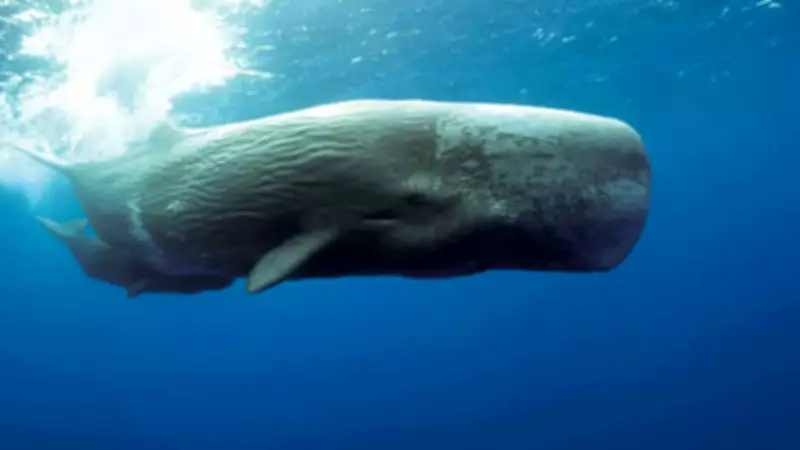
In the deep ocean, sperm whales consume vast quantities of squid and cuttlefish, much of which proves indigestible. While some of this material is expelled through vomiting, a portion coalesces in the whale's intestines, forming ambergris. Occasionally, this substance is excreted and discovered floating on the water's surface.
Freshly expelled, ambergris is soft, waxy, and greasy. Over time, exposure to sunlight, saltwater, and air causes it to weather and oxidize, transforming into a crusty, rock-like mass. Fossil evidence indicates that ambergris has existed for approximately 1.75 million years, with human usage spanning over a millennium.

Debates and Characteristics
There is significant debate regarding how ambergris exits the whale. Some argue it is regurgitated, earning the nickname 'whale vomit,' while others believe it is excreted. In rare cases, it can grow large enough to fatally rupture the whale's rectum. However, it is found in fewer than 5% of whale carcasses.
One of the most distinctive traits of ambergris is its odor. Initially, it emits a strong fecal smell, but as it dries, the scent becomes musky. This curious aroma was even noted by Herman Melville in Moby Dick, where he described a faint perfume emanating from a dead whale.
Historical and Modern Uses
Historically, ancient Egyptians and medieval Europeans utilized ambergris in cuisine, medicine, and fragrances. For instance, King Charles II of England was known to enjoy eggs with ambergris. It was also employed in treating ailments like digestive disorders, headaches, and epilepsy.
Today, ambergris is valued primarily for its olfactory properties in the perfume industry. A compound called ambrein, extracted from ambergris, acts as a fixative, binding fragrance notes together and enhancing longevity on the skin compared to synthetic alternatives. Its color ranges from black to white, with lighter shades indicating higher ambrein content and greater value.
In cosmetics, trace amounts may appear in body sprays, scented lotions, and artisanal skincare products, prized for their rich aroma and smooth texture. November Nichols, a perfumer and owner of Chémin, explains, "It's an extremely valuable substance known for its unique scent and fixative qualities. It enhances the longevity and depth of the fragrances it's added to."
Luxury Perfumes and Ethical Concerns
Luxury fragrance houses prominently feature ambergris in their products. Creed's Aventus uses it as a base note, while other high-end perfumes like Guerlain's Shalimar, Chanel No. 5, Dior's Sauvage, Paco Rabanne's Invictus, and Maison Francis Kurkdijan's Baccarat Rouge 540 also incorporate it.
Harvesting ambergris is generally considered ethical when collected after natural expulsion, without harming the whale. However, historical whaling for ambergris and other products has led to regulations due to the endangered status of sperm whales. The Convention on International Trade in Endangered Species prohibits killing sperm whales in most regions, and some countries, like the US under the Marine Mammal Protection Act, ban its collection and sale. In contrast, nations like New Zealand allow collection of naturally found ambergris.
According to a 2022 study by WWF, the global sperm whale population is around 850,000, reflecting a 57% decline over 310 years due to whaling in the 1840s and 1960s. It is estimated that only 1% of sperm whales produce ambergris, contributing to its scarcity and high value.
Value and Rarity
Due to its rarity, ambergris commands steep prices, with a gram worth approximately $27 and a pound potentially exceeding $10,000. In 2023, a sperm whale carcass in the Canary Islands contained ambergris valued at about $500,000.

It is oddly poetic that a whale's digestive issue evolves into a human luxury. So, the next time someone compliments your perfume, simply smile—there's no need to reveal that it might have originated from something that once smelled quite foul.