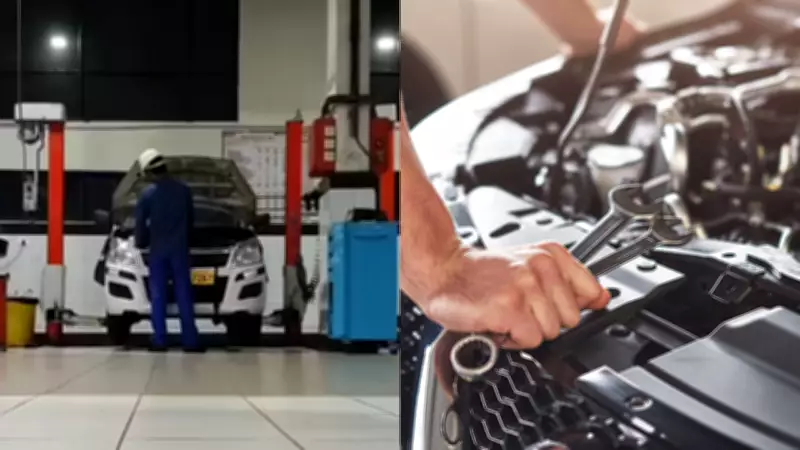
Five Critical Warning Signs Your Car Needs Immediate Service Attention
Car maintenance extends far beyond routine scheduled service intervals, as vehicles frequently exhibit early warning signals that demand prompt attention. Overlooking these indicators during daily driving can precipitate mechanical failures, compromise safety, and escalate repair expenses substantially. Unfamiliar sounds, alterations in driving behavior, or illuminated dashboard warning lights typically herald potential issues. Recognizing and addressing these signs proactively can forestall breakdowns and ensure continued safe vehicle operation. Here are five definitive signs that necessitate an immediate service check for your automobile.
Check Engine and Other Dashboard Warning Lights
Dashboard warning lights serve as critical alerts for issues requiring immediate scrutiny. If the check engine, oil pressure, battery, or brake lights remain illuminated while driving, they usually signify a mechanical or electrical malfunction. Disregarding these warnings can impair performance, damage components, or trigger a complete breakdown. Dashboard indicators may denote problems ranging from minor to severe. For instance, a loose fuel cap or defective oxygen or mass airflow sensors can activate the check engine light, often impacting fuel efficiency and emissions without immediately affecting drivability. More serious faults, such as catalytic converter failure, ignition complications, or engine misfires, can also illuminate the warning light and may induce power loss, rough idling, and potential engine damage if ignored. Early professional inspection facilitates issue detection, averting more serious and expensive repairs.
Unusual Noises While Driving
New or unfamiliar sounds during operation often indicate underlying problems. Knocking from the engine, grinding or squealing from the brakes, or rattling from the suspension can signal worn, loose, or failing components. Although the vehicle might continue to function, ignoring these auditory cues can lead to exacerbated mechanical issues and heightened repair costs. Timely inspection helps prevent further damage. For example, a high-pitched squeal frequently stems from a worn or misaligned serpentine belt, which powers essential components like the alternator, power steering pump, and air-conditioning compressor.

Fuel Efficiency Drop
A noticeable increase in fuel consumption often points to an underlying issue. A sudden or gradual decline in mileage is commonly linked to clogged air or fuel filters, poor engine tuning, or faulty sensors, while factors such as incorrect tire pressure or worn spark plugs can also elevate fuel usage. Even if the car appears to drive normally, reduced efficiency suggests the engine is not operating optimally. Early inspection aids in identifying the root cause, improving mileage, and preventing further mechanical complications.
Fluid Leaks
Visible fluid leaks beneath a vehicle indicate a problem that requires attention. Different fluids correspond to distinct faults, and neglecting them can result in severe damage. Coolant leaks are among the most critical, as they can cause engine overheating and lead to catastrophic damage if unaddressed. Such leaks are commonly associated with cracked hoses, faulty water pumps, or radiator issues. Oil leaks can also cause long-term harm by diminishing engine lubrication, increasing wear, and affecting performance, with extreme cases culminating in engine seizure. These typically arise from worn gaskets, damaged seals, or leaks from the oil pan. Transmission fluid leaks can impair gear shifting and drivability, potentially resulting in transmission failure, often due to damaged seals, gaskets, or internal components. Any fluid leak should be examined promptly to preclude expensive repairs and maintain safe vehicle operation.
Difficulty in Starting or Frequent Stalling
Problems initiating the car or unexpected stalling frequently indicate an underlying fault. Delayed cranking, rough idling, or the engine cutting off can be linked to a weak battery, fuel delivery issues, or ignition system problems. These symptoms may manifest intermittently initially but can worsen over time, leading to breakdowns if left unresolved. Early inspection helps pinpoint the issue, mitigating reliability and safety risks.