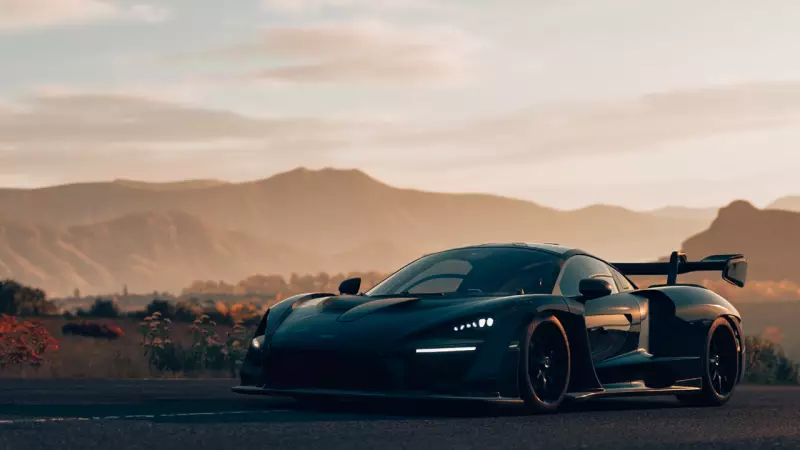
The Enduring Debate: Luxury Cars – Engineering Excellence or Status Display?
The question has loomed over premium automobiles for decades, casting a long shadow on their perceived value. When a luxury sedan or SUV glides into view, observers typically divide into two distinct camps: those who genuinely admire the sophisticated engineering and meticulous craftsmanship, and those who perceive nothing more than a rolling exhibition of wealth and social standing.
What You Actually Pay For: Beyond Basic Transportation
Luxury cars are far from being merely regular vehicles with upgraded upholstery and flashy badges. At the highest echelons of the market, manufacturers pour substantial resources into premium materials, cutting-edge research, and relentless refinement. Cabin surfaces frequently showcase authentic wood veneers instead of plastic laminates, hand-stitched leather rather than synthetic alternatives, and metal switchgear that feels cool, substantial, and precise under the fingertips.
These intricate details often escape specification sheets, yet they profoundly shape the daily sensory experience of being inside the vehicle. Furthermore, engineering innovations play a pivotal role. Numerous advanced features that eventually filter down to mass-market vehicles—such as sophisticated driver-assistance systems, adaptive suspensions, high-resolution head-up displays, or multi-zone climate control—typically make their debut in luxury models first.

Noise insulation, ride comfort, and high-speed stability are usually elevated several notches above mainstream cars, particularly during extended highway journeys. Service networks also constitute a significant part of the premium package. Complimentary maintenance plans, concierge-style appointment scheduling, loaner vehicles, and extended warranties are commonplace in this segment, offering tangible convenience and value for busy, discerning owners.
The Performance Perspective: Power and Refinement
While luxury does not invariably equate to blistering speed, it often signifies powerful, effortless performance. Larger engines, hybrid systems fine-tuned for seamless power delivery, and gearboxes that shift almost imperceptibly cultivate a sensation of calm, controlled acceleration rather than raw, aggressive thrust.
High-end performance divisions, exemplified by flagship sports sedans and grand tourers, masterfully blend exhilarating speed with everyday usability—a balance that more affordable performance cars frequently struggle to achieve. For drivers who place immense importance on dynamic handling, precise steering feedback, confident braking, and composed ride quality over challenging road surfaces, these refinements can legitimately justify a portion of the additional cost.
Where Status and Branding Enter the Equation
It would be disingenuous to claim that branding and image play no part. Luxury marques leverage their heritage, prestige, and aspirational appeal extensively. Their badges carry considerable social weight, and some buyers are explicitly attracted to that recognition and perceived status. In certain social and professional circles, the car parked outside continues to function as a visible shorthand for success and achievement.
Design elements are often intentionally theatrical. Dramatic lighting signatures, imposing grilles, and logo-rich interiors are not strictly necessary for basic transportation, but they powerfully reinforce the notion that the vehicle is something special, exclusive, and expensive. For critics, this is precisely where the argument shifts decisively toward symbolism and perception over pure functionality.
After all, a well-equipped mid-range car today can offer advanced touchscreen infotainment, comprehensive driver aids, impressive fuel economy, and solid reliability at a significantly lower price point. If basic, cost-effective mobility is the sole criterion, luxury vehicles are unequivocally not the most efficient choice.

Ownership Costs and Depreciation: The Financial Realities
Another sobering reality is that luxury cars often incur substantially higher maintenance costs once factory warranties expire. Premium parts, specialized labor, high-performance tires, and elevated insurance premiums accumulate rapidly. Depreciation can also be steep, particularly for high-end sedans and complex, technology-laden models.
This financial dynamic explains why many financially astute automotive enthusiasts prefer purchasing certified pre-owned luxury vehicles. A significant portion of the initial value depreciation has already occurred, yet the buyer still enjoys the superior comfort, refinement, and advanced features that made the car desirable originally.
The Ultimate Verdict: Is the Luxury Premium Justified?
Determining whether a luxury car is "worth it" fundamentally hinges on the buyer's personal priorities and values. If the primary goal is efficient, economical commuting at the lowest possible cost, the answer is likely no. However, if an individual highly values serene, comfortable long-distance travel, exceptional interior ambiance, cutting-edge safety technology, and a palpable sense of occasion every time they take the wheel, then the premium can feel entirely justified and rewarding.
In essence, luxury cars exist at the fascinating intersection of tangible function and intangible feeling. They deliver measurable advantages in comfort, refinement, and technological innovation, but they also trade powerfully on emotion, personal identity, and, undeniably, social status. Perhaps the most accurate perspective is this: a luxury car is seldom a purely rational purchase in strict financial terms. It is, fundamentally, a lifestyle choice.
For some, that choice brings daily pleasure, convenience, and pride that genuinely outweigh the considerable expense. For others, a well-specified mainstream vehicle will fulfill all their practical needs admirably, without the prestigious badge or the accompanying financial burden. Ultimately, the true value of a luxury car is not universal; it is deeply personal, shaped by what each driver notices, appreciates, and is willing to invest in every time they turn the ignition key.