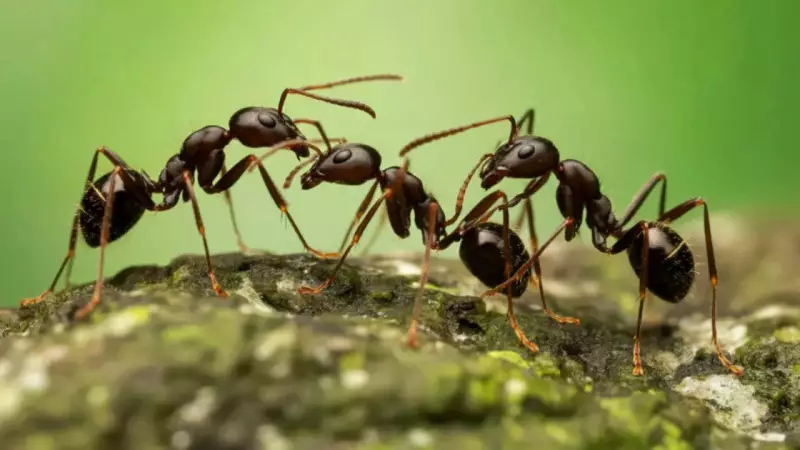
For countless gardening enthusiasts across India, the sight of ants marching through the soil of their beloved potted plants is a common and frustrating nuisance. While often seen as mere trespassers, these tiny insects can cause real harm by disturbing root systems, creating tunnels, and often indicating a more serious pest problem. The good news is that reclaiming your plants doesn't require harsh chemicals. A combination of simple, safe, and scientifically backed methods can effectively solve the issue while protecting your plants, pets, and the environment.
Why Ants Invade Your Potted Plants and How to Spot Them
Ants are typically drawn to plant pots for shelter, food, or both. They may build nests in the loose, moist potting mix or are often attracted by the presence of sap-sucking insects like aphids and mealybugs, which produce a sweet substance called honeydew that ants "farm." Before taking action, it's crucial to confirm an infestation. Look for these clear signs: visible ant trails on the soil surface or pot, tiny ants crawling on plant stems, the presence of aphids or sticky honeydew residue, and plants showing unexplained stress, wilting, or stunted growth.
Proven, Low-Risk Methods to Eliminate Ants Naturally
Aggressive pesticides are not only harmful to beneficial soil organisms but are often unnecessary. Research, including a study titled "Control of pest ants by pathogenic fungi: state of the art" published on PubMed, highlights sustainable biological methods for controlling pest ants. These approaches weaken colonies without the ecological damage caused by chemicals. Here are nine practical steps you can take immediately.

1. Remove and Inspect the Plant: Carefully take the plant out of its container. Discard the old soil completely and inspect the root ball for ants and other pests. This initial step removes nests and eggs.
2. Repot with Fresh, Sterile Soil: Often the fastest solution is to repot the plant. Clean the pot thoroughly with hot, soapy water, fill it with new, sterile potting mix, and replant. This eliminates both the ants' shelter and any food sources within the old soil.
3. Use a Targeted Sugar and Boric Acid Bait: Create a slow-acting bait by mixing one cup of sugar water with one to two teaspoons of boric acid. Place drops of this solution on bottle caps near ant trails. Worker ants will carry it back to the colony, effectively controlling it from within. Use this method with extreme caution if you have pets or children.
4. Apply Food-Grade Diatomaceous Earth (DE): Lightly dust the soil surface and pot rims with food-grade DE. This fine powder is harmless to humans and pets but acts as a physical insecticide, damaging the ants' exoskeletons and causing dehydration. Scientific reviews support DE as an effective physical control for various pests.
5. Try the Flooding or Soaking Method: For a severe infestation, submerge the entire pot (with the plant still in it) in a bucket of water for 10 to 15 minutes. This floods the tunnels and forces ants to evacuate. Afterward, drain the excess water thoroughly.
6. Employ Natural Repellent Sprays: Ants dislike strong scents. Spray a diluted solution of peppermint oil, neem oil, or citrus oil around the pot's rim and saucer. Avoid spraying directly on foliage, and always test on a small leaf area first. Research indicates certain plant extracts can deter ants from nesting sites.
7. Create Physical Barriers: Prevent ants from climbing into your pots. Apply a band of sticky tape or petroleum jelly around the base of the pot or its saucer. You can also place pot legs in containers of water (creating a moat) or use elevated stands to block their path.
8. Control Aphids and Mealybugs: If ants are farming pests, you must eliminate their "livestock." Use insecticidal soap, neem oil sprays, or manually remove aphids and mealybugs. Removing this honeydew source makes your plant far less attractive to ants.
9. Seal Indoor Entry Points: If ants are entering your home to reach indoor plants, seal cracks, keep food sealed, and ensure plant foliage isn't touching walls or windows. This disrupts their foraging trails.

Final Safety Tips and Expert Advice
Always prioritize safety when dealing with home remedies. Test any spray on a small part of the plant 24 hours before full application. Keep baits well out of reach of children and pets. Crucially, avoid using broad-spectrum insecticides in potted plants, as they devastate beneficial soil life and can cause more harm than good. If your ant problem persists despite these efforts, consider consulting a local horticultural extension service or a professional pest controller for targeted advice.