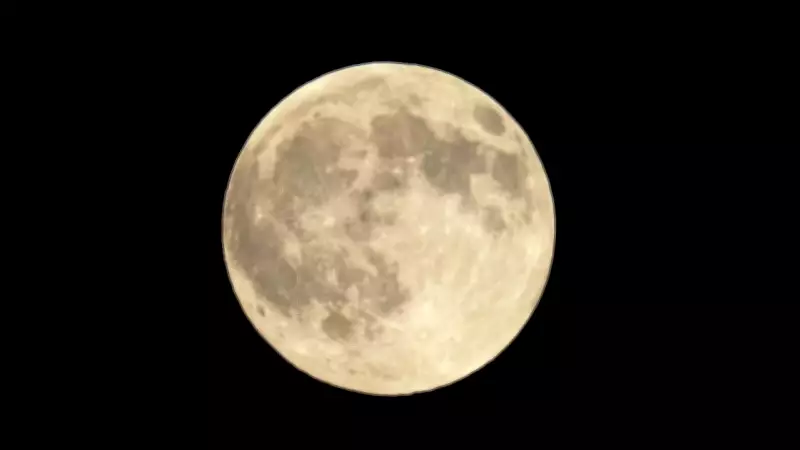
February's Snow Moon to Illuminate Indian Skies with Celestial Companions
A serene full moon will grace the evening sky at the beginning of February, bringing with it a subtle yet fascinating astronomical display. While the event of a full moon is a regular occurrence, this particular one features rare alignments that make it noteworthy for observers in India and around the globe.
Timing and Visibility of the Snow Moon in India
According to EarthSky, the crest of the full moon occurs at 22:09 UTC on February 1. For central North America, this timing coincides with sunset, making the moonrise particularly striking as the sun dips below the horizon and the moon ascends in the east. This creates a gradual transition from daylight to moonlight, often enhancing the moon's apparent size and brilliance.
In India, the Snow Moon will reach its peak visibility at 03:39 AM IST on February 2. Provided that skies are clear, this celestial event will be observable across the entire country. The moon will rise as daylight fades, remain high in the sky throughout the night, and drift westward before dawn, offering ample opportunity for viewing without any dramatic conditions required.

The Significance of the Snow Moon Name
February's full moon is traditionally known as the Snow Moon, a name rooted in seasonal history rather than astronomy. In many parts of North America, February was historically the snowiest month, a time when travel was difficult and food supplies were often scarce. Other traditional names include Hunger Moon and Boney Moon, but Snow Moon remains the most widely recognized. This naming convention reflects how ancient cultures marked time based on weather patterns and survival challenges, adding a cultural layer to the astronomical phenomenon.
Celestial Companions: Regulus and the Beehive Cluster
This full moon will be accompanied by two notable celestial objects, enhancing the viewing experience for skywatchers. Regulus, the brightest star in the constellation Leo, will appear close to the moon. In the Western Hemisphere, Regulus rises approximately ninety minutes after the moon. Due to the moon's brightness, spotting Regulus might require blocking the moon with a hand or a nearby object to reduce glare. This pairing is temporary, as the moon's orbit causes it to shift position nightly.
Additionally, the moon will pass near the Beehive Cluster, a group of stars typically best viewed with binoculars. While the moonlight may wash out much of its detail, the cluster's proximity to the moon adds a quieter, yet intriguing, background element for astronomy enthusiasts. Such close arrangements of familiar celestial objects are infrequent, making this event a special occasion for those who appreciate the night sky's subtle shifts.
Why This Full Moon is Worth Observing
Nothing extraordinary needs to happen for this full moon to be worth looking at. The conditions themselves—steady visibility, high placement in the sky during evening hours, and the presence of nearby stars and clusters—are sufficient to make it a captivating sight. For observers across much of the world, including India, the timing ensures the moon is clear and prominent, inviting anyone to step outside and gaze upward. As the sky quietly transitions through the night, this event serves as a reminder of the enduring beauty and regularity of celestial cycles.
About the Author: The TOI Science Desk is a dedicated team of journalists exploring the wonders of science, from space exploration to artificial intelligence, to bring engaging and accessible stories to readers.