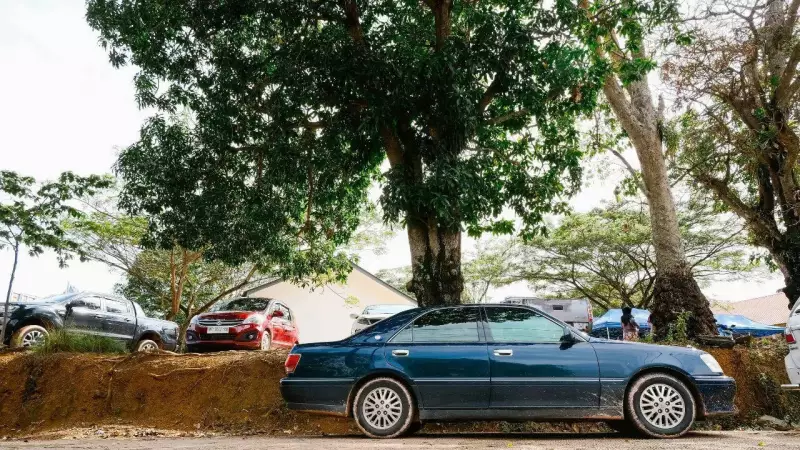
Parking your car beneath a tree is often seen as a smart choice, especially during scorching summer months. The shade provides a much cooler environment compared to direct sunlight, preventing your vehicle from heating up rapidly and protecting it from harsh UV rays. For many drivers, particularly in hot climates or crowded parking areas, a tree offers a welcome shaded spot for their automobile. However, what most people overlook is that trees can silently wreak havoc on your car, damaging everything from the exterior paint to the interior components and even impairing mechanical functions.
7 Reasons Why Parking Under Trees Is Not Safe
Despite the apparent benefits, parking under trees often does more harm than good for your vehicle. Here are the key risks you should be aware of:
Tree Sap Can Damage Your Car's Paint
Tree sap is notoriously sticky and acidic, making it difficult to clean once it dries on your car's surface. Over time, it can penetrate the clear coating, leading to unsightly stains and permanent damage to the vehicle's finish.

Bird Droppings Cause Paint Corrosion
Trees attract various birds, and their droppings are highly acidic. If left untreated, bird droppings can corrode the car's paint coat, resulting in marks that are challenging to remove and compromising the vehicle's appearance.
Falling Branches and Fruits Can Dent Your Car
Strong winds or stormy weather, even in non-rainy seasons, can cause branches or fruits to fall. These can scratch the car's surface or create dents in windows and windshields, especially if they are heavy enough.
Leaves and Debris Can Block Air Vents
Dry leaves, seeds, and small debris often accumulate around the windshield and air vents. This buildup can clog the car's airflow system, reducing ventilation efficiency and potentially causing unpleasant odors inside the vehicle.
Tree Resin and Pollen Build-Up
Beyond sap, trees shed pollen and resin that settle on your car. While initially harmless, these substances can ruin the paint job over time and may trigger allergies if they enter through open windows or vents.
Increased Risk of Insects and Pests
Parking near trees increases accessibility for insects like ants and spiders, as well as rodents. These pests can find their way into the car through various openings, causing potential damage and hygiene issues.
Moisture Retention Leads to Rust
Shaded areas under trees tend to remain damp longer, especially after rain or morning dew. This retained moisture can lead to rust on metal surfaces, particularly under the car and around door edges, compromising structural integrity.
How to Look for Safer Parking Spots
To protect your vehicle while still enjoying shade, consider these practical tips:
Choose Open but Shaded Areas
Instead of parking directly under a tree, opt for spots shaded by buildings, parking sheds, or covered parking structures. This reduces the risk of falling debris and sap exposure.
Avoid Parking Near Old or Overgrown Trees
If you must park under a tree, steer clear of those with dry branches, heavy fruit, or visible bird activity. These indicators suggest higher risks of damage.
Use a Car Cover When Needed
When tree parking is unavoidable, a breathable car cover can shield your vehicle from sap, droppings, and other debris, offering an extra layer of protection.
Check the Ground and Surroundings
Before parking, take a quick glance around. Excessive leaves, twigs, or bird droppings on the ground are clear signs that the spot may not be suitable for your car.
By understanding these risks and adopting safer parking habits, you can extend the lifespan of your vehicle and maintain its aesthetic appeal. For more insights into automotive care and maintenance, stay informed with the latest updates and expert advice.