In the world of high art, masterpieces are more than just beautiful objects; they are coveted assets that can command prices rivaling national budgets. The global art market has witnessed astronomical sales, turning paintings by legendary artists into the most expensive items ever sold. These sales are not merely transactions but events that redefine value, culture, and investment. Let's delve into the stories of seven paintings that have achieved mega-price status, breaking records and capturing the world's imagination.
The Crown Jewel: A Da Vinci Sells for a Fortune
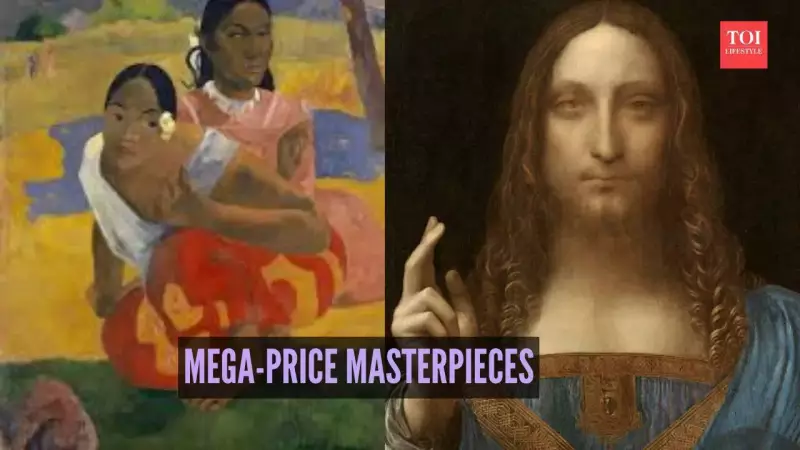
Topping the list is Leonardo da Vinci's "Salvator Mundi," which shattered all records when it was sold for a staggering over $450 million at auction in 2017. The painting, depicting Christ holding a crystal orb, is shrouded in history and mystery. Its journey from being lost for centuries to its dramatic rediscovery and controversial authentication process fueled its allure. This sale cemented its place not just as a religious icon but as the single most expensive artwork ever sold publicly, highlighting the immense value placed on rarity and the genius of the Renaissance master.
Abstract Expressionism Commands Millions
The post-war art movement also claims its spot among these elite sales. Willem de Kooning's "Interchange" was part of a private sale reported to be around $300 million. This vibrant abstract expressionist work is celebrated for its explosive energy and revolutionary use of color, capturing the dynamic spirit of 20th-century New York art. Similarly, Jackson Pollock's "Number 17A," created with his iconic drip technique, reportedly fetched $200 million. Pollock's radical approach to painting continues to influence artists and justify monumental valuations for his chaotic, energetic canvases.

Post-Impressionist and Modern Masters
Other giants of art history feature prominently on this list. Paul Cézanne's "The Card Players," part of a series focusing on Provençal peasants, sold for over $250 million. This work is a cornerstone of Post-Impressionism, prized for its compositional brilliance and profound realism. Paul Gauguin's Tahitian painting "Nafea Faa Ipoipo (When Will You Marry?)" was purchased for an estimated $210 to $300 million. Its bold colors and depiction of indigenous life reflect Gauguin's search for paradise and artistic freedom, making it a priceless cultural artifact.
In the realm of color field painting, Mark Rothko's "No. 6 (Violet, Green and Red)" achieved a sale price of around $186 million. Rothko's large, immersive canvases are designed for contemplation, using blurred blocks of color to evoke deep emotion. Finally, Pablo Picasso's Cubist masterpiece "Les Femmes d'Alger (Version O)" sold for $179 million. This vibrant and complex work, part of a series reinterpreting Delacroix, showcases Picasso's genius in deconstructing form and remains a pinnacle of his artistic innovation.
What Drives These Record-Breaking Sales?
These exorbitant prices are driven by a powerful combination of factors. Scarcity is paramount—works by deceased masters like Da Vinci will never increase in number. Provenance and historical significance add layers of value, turning a painting into a documented piece of history. Furthermore, major artworks have become alternative investments for the ultra-wealthy, assets that hold cultural prestige alongside financial value. Each record sale reinforces the timeless appeal of great art, reminding us that these are not just canvases but repositories of human creativity, emotion, and history. As the global art market continues to evolve, these masterpieces stand as testaments to the enduring power of artistic genius.