In the world of horology, trends that begin among passionate collectors often shape mainstream preferences years later. Currently, the watch industry is witnessing a significant shift away from oversized timepieces toward more refined, comfortable sizes that prioritize elegance over statement-making bulk.
The Evolution of Watch Sizes: From Demure to Dominant
Historical context reveals that wristwatch sizes remained relatively modest for decades. From the 1940s through the 1990s, men's dress watches typically measured between 32-34mm, with sportier models reaching 36-37mm. During this period, a 38mm timepiece was considered exceptionally large and often labeled as a "jumbo case."
The exceptions to these sizing norms were specialized tool watches designed for specific professions. Dive watches like the Rolex Submariner measured 40mm across, while chronographs such as the Omega Speedmaster Moonwatch Professional reached 41mm. These dimensions served practical purposes—enhanced water resistance and improved legibility in challenging environments.

The Rise and Fall of Oversized Watches
The late 1990s marked a dramatic shift in watch aesthetics. A preference for larger timepieces emerged, beginning with luxury brands and eventually influencing the broader market. Watches measuring at least 43mm across became fashionable, with some enthusiasts comparing them to "mini dinner plates" on the wrist.
This trend toward substantial timepieces persisted for approximately two decades, but watch connoisseurs remained skeptical. Comparisons with vintage models revealed that older designs offered better proportions, visual appeal, and wearing comfort. The pandemic lockdowns accelerated this reassessment as online watch communities grew exponentially, creating overwhelming demand for more reasonably sized watches that manufacturers could no longer ignore.
Brands including IWC and Panerai responded by introducing smaller versions of their popular models. By 2023, the oversized watch craze had effectively ended, replaced by a preference for more balanced dimensions.
Why 38mm Has Become the New Standard
The current sweet spot for men's watches sits at approximately 38mm, representing a return to classic proportions. This shift has also helped dismantle traditional gender classifications in watch sizing. Women increasingly embrace larger timepieces based on personal style rather than prescribed norms, while unisex sizing has gained widespread acceptance.
As watches transition from essential timekeeping tools to mechanical jewelry, comfort and aesthetics have become paramount considerations. The focus has now expanded beyond case diameter to include thickness and overall wearability.
The New Frontier: Slimmer Profiles
With case diameters returning to sensible proportions, watch enthusiasts have turned their attention to thickness. The current buzz surrounds slimmer watches that easily slip under shirt cuffs, completing the return to elegance.
However, achieving slim profiles presents technical challenges, particularly with automatic movements. Mass-produced calibers like Seiko's in-house 6R35 prioritize durability over slimness, often resulting in thicker cases. The author cites personal experience with the Seiko Alpinist, which combined a 38mm diameter with 12.9mm thickness, creating a top-heavy feel that compromised comfort.
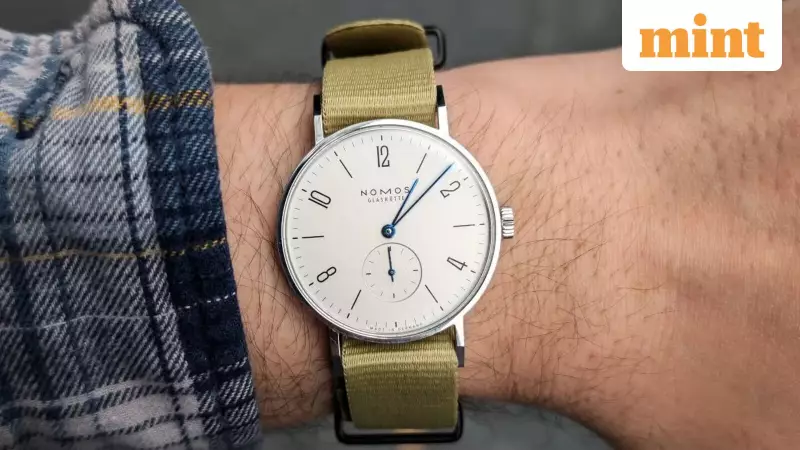
Higher-end brands address this challenge through specialized slim movements (like those from Nomos) or modified mass-market calibers (as seen in Junghans and Longines). Even tool watches benefit from thoughtful design—the author praises the Seiko 'Slim Turtle' diver, which balances its 41mm diameter with a 12.3mm height and 47mm lug-to-lug distance for exceptional wearability.
Ultimately, the modern watch buyer should prioritize how a timepiece feels on the wrist rather than focusing solely on specifications. Compact dimensions, balanced proportions, and comfortable wearing experience have become the true markers of quality in contemporary watch design.