Creating a Distraction-Free Study Zone for Teenagers
In today's hyper-connected digital era, teenagers face an unprecedented array of distractions that can severely impact their concentration, productivity, and overall study habits. Educational psychologists and parenting experts consistently emphasize that a clean, organized, and distraction-free study table is not merely a preference but an essential component for enhancing concentration, boosting memory retention, and optimizing the learning process. The study environment holds tremendous significance for a teenager's academic performance and mental clarity. While many parents diligently monitor study hours, they often overlook the critical role that the physical study space plays in determining the effectiveness of their teen's educational efforts. By strategically removing just a few specific items from the study area, parents can catalyze a remarkable improvement in their teenager's focus and academic output.
The Mobile Phone: The Ultimate Concentration Killer
The mobile phone stands as the most pervasive and potent distraction for teenagers during study sessions. Constant notifications from social media platforms, instant messaging apps, gaming alerts, and video streaming services create continuous interruptions that fracture concentration and diminish study efficiency. Research indicates that even the mere physical presence of a smartphone on the study table can cognitively prime the teenage brain to anticipate incoming alerts, thereby reducing attention span. Educational specialists strongly recommend implementing a "phone-free zone" policy during study hours, advising that devices be stored in another room or placed in a designated container away from the study area. This simple intervention has been shown to significantly enhance concentration levels, improve information retention, and increase overall study productivity.
Junk Food and Sugary Snacks: Nutritional Distractions
Keeping junk food items like potato chips, chocolate bars, and sugary beverages on the study table presents a dual threat to both health and academic performance. Mindless eating during study sessions not only diverts mental focus but also contributes to energy crashes and reduced cognitive function. Instead, parents should provide accessible healthy alternatives such as fresh fruit slices, nuts, or vegetable sticks along with a water bottle near the study area. These nutritious options help maintain steady energy levels, support brain function, and keep teenagers alert and engaged with their academic material without the distracting temptation of unhealthy snacks.

Excessive Stationery Clutter: The Messy Mind Effect
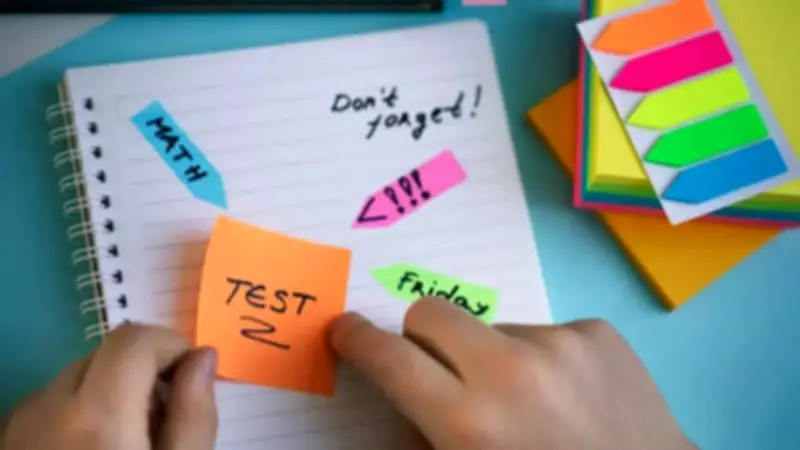
Teenagers often accumulate an overwhelming assortment of stationery items including multiple pens, pencils, highlighters, sticky notes, and various desk accessories that create visual clutter and mental chaos. A disorganized study surface directly correlates with a disorganized thought process, making sustained concentration increasingly difficult. Experts advocate for a minimalist approach where only essential items—such as current textbooks, a single notebook, and one or two writing instruments—occupy the study table. Implementing simple organizational systems like drawer dividers or desktop organizers can help maintain this clean, focused environment that promotes academic efficiency.
Gaming Devices: The Temptation of Entertainment
Gaming consoles, controllers, and handheld gaming devices have no place on a dedicated study table. The visual presence of entertainment technology creates constant temptation, subtly encouraging procrastination and reducing allocated study time. Psychological studies demonstrate that environmental cues significantly influence behavior, meaning that simply seeing gaming equipment can trigger thoughts of play rather than work. Parents should establish clear boundaries by storing gaming equipment in separate rooms or closed cabinets during study periods, thereby creating a mental separation between leisure and academic activities that strengthens study discipline.

Negative Notes and Pressure Reminders: Psychological Barriers
Well-intentioned but ultimately counterproductive notes like "Study or fail" or "No phone until exams are over" often find their way onto teenage study spaces, inadvertently increasing stress, anxiety, and performance pressure. Negative reinforcement in the study environment can undermine confidence and create psychological barriers to effective learning. Educational psychologists recommend replacing these pressure-inducing messages with positive affirmations, inspirational quotes, or academic goals presented in encouraging language. Cultivating a supportive, positive study atmosphere has been proven to enhance teenagers' self-confidence, reduce test anxiety, and create a more productive relationship with academic work.
By systematically addressing these five common study table elements, parents can transform their teenager's learning environment into a sanctuary of concentration and academic success. The cumulative effect of removing digital distractions, nutritional hindrances, physical clutter, entertainment temptations, and psychological stressors creates optimal conditions for focused study, improved information retention, and enhanced educational outcomes in our increasingly demanding academic landscape.