Vastu-Approved Flowering Plants for Love and Harmony in Indian Homes
In the ancient science of Vastu Shastra, plants and flowers are far more than mere decorative elements. They are considered living sources of energy that can significantly influence the environment of a home. Certain flowering plants are specifically associated with fostering love, emotional bonding, and domestic harmony. These botanical allies are not only affordable and easy to maintain but also thrive well in diverse Indian climatic conditions.
By simply caring for these plants and placing them in the right direction, you can invite a positive energy shift into your living space. Here are five Vastu-approved flowering plants believed to promote love and peace within the home.
1. Jasmine: The Fragrant Emissary of Calmness
Jasmine stands as one of the most commonly recommended flowering plants in Vastu Shastra for promoting calmness and strengthening emotional bonds. Its natural, sweet fragrance is believed to reduce stress and anxiety, thereby creating a peaceful and serene atmosphere that is essential for nurturing healthy relationships.

From a practical gardening perspective, jasmine grows exceptionally well in most Indian climates, including tropical and subtropical regions. It requires moderate sunlight, regular watering, and basic pruning to flourish. These plants are inexpensive and readily available at local nurseries across the country. For optimal effect, place jasmine near windows, balconies, or well-ventilated areas where its fragrance can spread naturally, enhancing the overall ambience of your home.
2. Rose: The Universal Symbol of Love and Affection
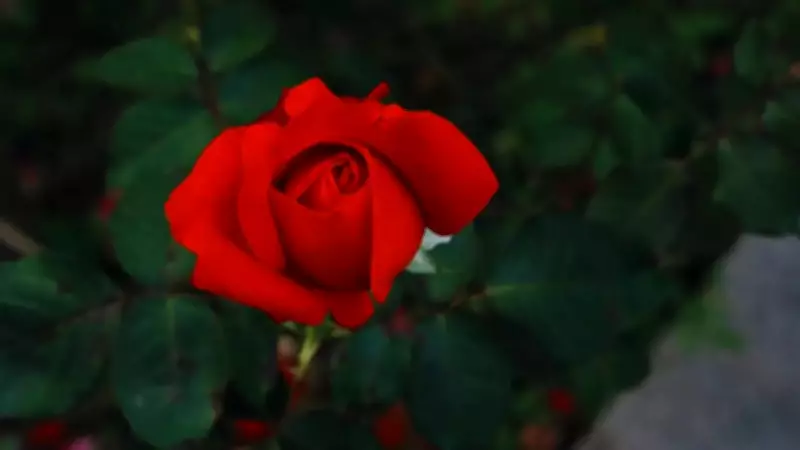
Roses are universally celebrated as symbols of love, deep affection, and emotional warmth. Within Vastu principles, flowering rose plants are considered highly auspicious when they are properly maintained and strategically placed in appropriate areas of the home.
Roses adapt well to Indian weather patterns, requiring sufficient sunlight and well-drained soil to thrive. While they demand slightly more attentive care compared to some other plants, regular watering, periodic pruning, and basic fertilization are usually sufficient. Rose plants are affordable and available in multiple captivating varieties, allowing homeowners to select colors specifically associated with romance and harmony. It is important to regularly remove dry or wilted flowers, as healthy, vibrant blooms are believed to support the continuous flow of positive energy.
3. Marigold: The Beacon of Positivity and Brightness
Marigold ranks among the easiest flowering plants to cultivate in Indian homes and gardens. Widely used in traditional and cultural settings, it is strongly associated with positivity, brightness, and emotional upliftment.
Marigolds grow rapidly from seeds, thrive equally well in pots or open soil, and require minimal care beyond ample sunlight and regular watering. They bloom profusely and are highly cost-effective, making them an ideal choice for gardening beginners and residents of compact homes. In Vastu practice, bright and healthy flowering plants like marigold are believed to energize living spaces actively and promote cheerful, harmonious interactions among family members.
4. Periwinkle: The Symbol of Continuity and Stability
Periwinkle is highly valued for its remarkable ability to bloom almost continuously throughout the year with very little maintenance. This consistent flowering is symbolically linked with continuity, stability, and emotional balance within the household.
This resilient plant tolerates heat, partial shade, and irregular watering exceptionally well, making it perfect for India's varied urban environments. It grows successfully in pots, on balconies, and in terrace gardens. Due to its hardy nature and low cost, periwinkle is often recommended for individuals who desire beautiful flowering plants without the burden of high upkeep. The persistent presence of its blooms is believed to support a steady and harmonious domestic atmosphere.

5. Hibiscus: The Emblem of Beauty and Positive Energy
Hibiscus is a familiar and beloved flowering plant in many Indian homes, renowned for its large, vividly vibrant flowers. In Vastu Shastra, hibiscus is associated with beauty, emotional expression, and the infusion of positive domestic energy.
The plant prospers in warm climates and requires good sunlight, regular watering, and occasional fertilization to maintain its health. Hibiscus plants are affordable and widely available across the country. When grown in open balconies or gardens, they add significant visual appeal and vitality to the home environment. Healthy, abundant flowering in hibiscus is considered a clear sign of flourishing positive energy and emotional wellbeing.
General Vastu and Care Guidelines for Optimal Results
To achieve the best results from these Vastu plants, it is crucial to keep them healthy and well-maintained. Dead flowers, dry leaves, or neglected plants are generally discouraged in Vastu, as they are believed to attract stagnant, negative energy. Most Vastu practitioners strongly recommend placing flowering plants in the east, north, or northeast areas of the home. These directions are where natural light is most supportive, benefiting both plant growth and the flow of positive energy.
Choosing flowering plants that align with Vastu principles does not necessitate expensive or exotic options. Jasmine, rose, marigold, periwinkle, and hibiscus are all affordable, easy to grow in Indian conditions, and are symbolically linked with love, harmony, and emotional balance. With simple, consistent care and thoughtful placement, these plants can profoundly enhance both the visual appeal and the positive emotional environment of your home.