DIY Natural Gulal: A Sustainable and Meaningful Holi Celebration Trend
If your Holi preparation typically involves a frantic last-minute rush to purchase packets of synthetic gulal, this festive season presents an opportunity for a transformative shift. Across households and community centers, a growing movement is embracing the art of creating do-it-yourself natural colors using readily available kitchen ingredients, garden flowers, and seasonal produce.
From Personal Concern to Collective Celebration
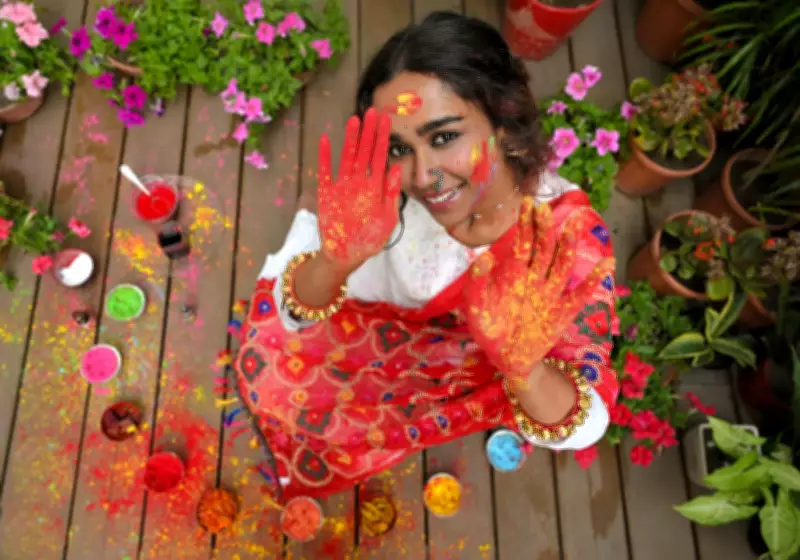
The journey toward natural gulal often begins with individual health concerns and environmental curiosity. Model and dancer Sharmistha Biswas describes how observing the creation of sustainable colors fundamentally altered her perspective on Holi festivities. "Witnessing the extraction of vibrant hues from vegetables, turmeric, and floral sources made me recognize how straightforward conscious decisions can be," she reflects. "These natural pigments rinse off effortlessly, cause no skin irritation, and significantly minimize environmental pollution. A widespread adoption could genuinely revolutionize our festival traditions."
For eco-entrepreneur Shital Bavishi, the motivation originated from maternal protection. "I initiated homemade natural gulal production primarily to shield my children from aggressive chemical colors, but the practice rapidly evolved into something more profound," she explains. "The procedure demands time and meticulous attention, yet it infuses Holi with deeper significance. Even a basic combination of turmeric and arrowroot powder provides an accessible starting point for beginners."

Nature's Vibrant Palette: Patient Yet Rewarding
Environmental advocate Somini Sen Dua emphasizes that the secret to successful natural gulal lies in utilizing locally sourced materials and ensuring thorough drying. "I cultivate spinach in my kitchen garden, which yields a beautiful green pigment. Turmeric provides brilliant yellow, while desiccated rose petals create delicate pink tones," she details. "Critical steps include adequate sun-drying and fine grinding to maintain a soft, skin-friendly powder consistency."
Entrepreneur Vaishali Sanganeria, founder of Friends The Natural Revolution & Infinite Abundance, shares a similar origin story. "My children developed adverse reactions to commercial colors, prompting me to experiment with homemade alternatives," she recounts. "Using turmeric, beetroot, and floral petals, I crafted batches that were both vivid and gentle. These colors washed off without difficulty, restoring genuine joy to our Holi celebrations."
Student Bhoomi Gupta represents the younger generation rediscovering this traditional practice. "Last year, I attempted creating gulal due to concerns about store-bought variants," she says. "I dehydrated rose petals, pulverized them in a mixer, and blended turmeric with cornflour for softness. It felt like an enjoyable experiment that also provided peace of mind, and I intend to repeat it this year."
Comprehensive Natural Color Guide for Holi
Essential Color Sources:
- Yellow: Turmeric powder, marigold petals
- Pink: Rose petals, beetroot powder, light hibiscus mixtures
- Red: Kumkum, hibiscus petals, red rose petals
- Green: Spinach (palak), dried neem leaves
- Orange: Palash/Tesu flowers, saffron water tint
- Blue: Aparajita (butterfly pea) flowers, dried jacaranda petals, cosmetic-grade indigo plant powder
Critical Guidelines for Homemade Gulal Success
Preparation Best Practices:

- Thoroughly dry all ingredients before grinding
- Incorporate arrowroot or cornflour as a softening base agent
- Grind materials finely and sieve twice for smooth texture
- Avoid synthetic dyes or inexpensive color powders
- Store finished gulal in airtight containers away from humidity
- Begin with small test batches to evaluate color intensity
For Shital Bavishi, founder of Beejum, what started as parental concern has expanded into broader social impact. "We gather discarded temple flowers, dry and powder them, then combine them with natural bases," she describes. "While initial motivation involved protecting children's delicate skin, today it encompasses women's economic empowerment, waste reduction, and responsible celebration."
Natural gulal preparation undoubtedly requires more time than simply tearing open a commercial packet, but its benefits extend far beyond mere coloration. This practice invites a slower, more contemplative form of celebration—one rooted in intentional care rather than mere convenience.
"Homemade gulal might not represent the quickest path to Holi-ready colors, but it could be the most meaningful," concludes environmentalist Somini Sen Dua. "Because occasionally, the true festival spirit resides not just in the colors we throw, but in the deliberate choices we make before we throw them."