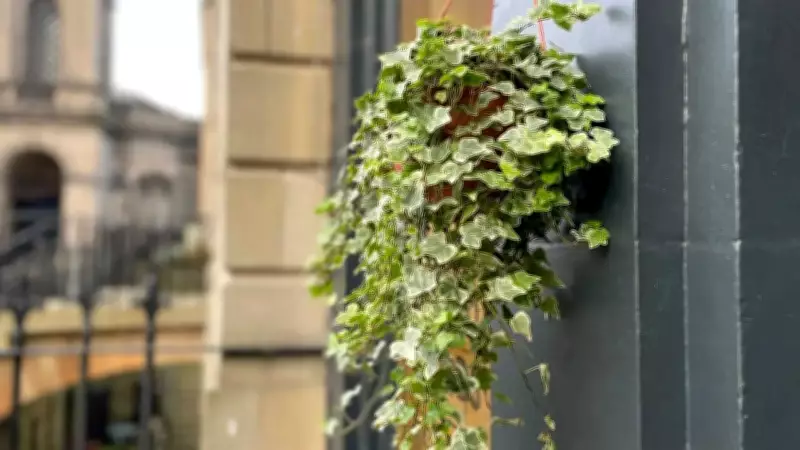
English Ivy: A Quietly Adaptable Presence in Many Spaces
English ivy appears in numerous locations, often unnoticed. It clings to aged brick walls, wraps around balcony railings, and sometimes drapes from a simple indoor pot tucked in a corner, receiving minimal attention. Gardeners frequently note how swiftly it establishes itself in an area, adapting with little effort. Historically, it has been utilized for centuries in both decorative and practical applications, highlighting its dependability. This explains why English ivy is consistently found in homes and gardens, regardless of fluctuating weather conditions. It does not demand constant maintenance, yet it flourishes with appropriate care, making it an excellent choice for both novice and seasoned plant enthusiasts.
Growth Habits and Natural Appearance of English Ivy
English ivy, scientifically known as Hedera helix, is renowned for its flexibility. It can thrive indoors near a window or spread effortlessly across shaded outdoor zones. Experts explain that its climbing ability stems from small aerial roots that attach to surfaces, leading to its common use in covering walls or fences with a dense green layer. The leaves, typically dark green with subtle variegation in certain varieties, contribute to a soft visual texture. A study titled "The Effectiveness of Eight English Ivy Cultivars in Removing the Indoor Air Pollutant Toluene and Xylene and Their Responses to Toluene and Xylene Stresses" investigated how different English ivy varieties absorb common indoor air pollutants under controlled conditions. Light conditions influence growth but are not overly demanding. English ivy prefers bright, indirect light indoors, tolerating lower light levels, though growth may decelerate. Outdoors, shaded or partially shaded areas are optimal, as harsh sunlight can stress leaves, especially in warmer climates.
Care Essentials: Soil, Fertilizer, and Pruning for Healthy Growth
Watering is generally straightforward; the soil should remain slightly moist but never waterlogged. A well-draining potting mix is ideal, avoiding overly compact soil to allow roots to breathe. Slightly acidic to neutral soil suits English ivy well. Fertilization is minimal, with a balanced liquid fertilizer during the growing season typically sufficient. Growers often recommend monthly applications, cautioning that excessive fertilizer can result in rapid, weak growth that appears stretched rather than full. Pruning serves not only as maintenance but also shapes the plant's appearance. Without control, English ivy can spread freely, so trimming long vines promotes a fuller, bushier form. Use clean, sharp tools for cutting, preferably in early spring or late winter. Removing older or leggy stems creates space for new shoots to develop.

Indoor Use and Placement Ideas for English Ivy
Indoors, English ivy excels in hanging baskets where vines cascade naturally, or on shelves and plant stands, adding movement to static spaces. Temperature preferences favor cooler conditions, commonly between 10°C and 21°C, making typical indoor environments suitable, though sudden heat or dryness can impact growth. Many plant owners observe that placement affects behavior; near a bright window, growth is more active, while in dim corners, it slows and becomes more compact, with subtle differences visible over time.
Outdoor Roles in Gardens and Landscapes
Outdoors, English ivy is frequently employed as ground cover, spreading across soil to reduce erosion on slopes, a practical function beyond decoration. It also climbs structures like walls, fences, and trees, creating a striking visual effect with fully covered surfaces appearing green and uniform. However, growth should be monitored, as without trimming, it may extend beyond intended areas. Gardeners sometimes use it to form privacy screens, with dense foliage acting as a natural barrier that provides shade, quiet, and greenery in one layer, offering a simple yet effective solution.

Common Issues and Solutions
Yellowing leaves often signal watering problems, typically due to excess moisture or poor drainage, which can be corrected by adjusting watering habits. Pests such as spider mites or aphids may occasionally appear, especially on dusty or neglected leaves; a gentle wash or insecticidal soap treatment can manage them. Fungal issues might arise in overly damp conditions, but good airflow and careful watering reduce risk, and early removal of affected leaves limits spread.
Safety Considerations for Households
According to the ASPCA, English ivy is toxic to animals if ingested, potentially causing discomfort in dogs and cats, so it should be kept out of reach in homes with pets. In some cultures, like Feng Shui, English ivy is associated with stability and continuous growth, often placed in stagnant areas to bring balance. Regardless of such beliefs, it is undeniable that green spaces soften and enhance environments.