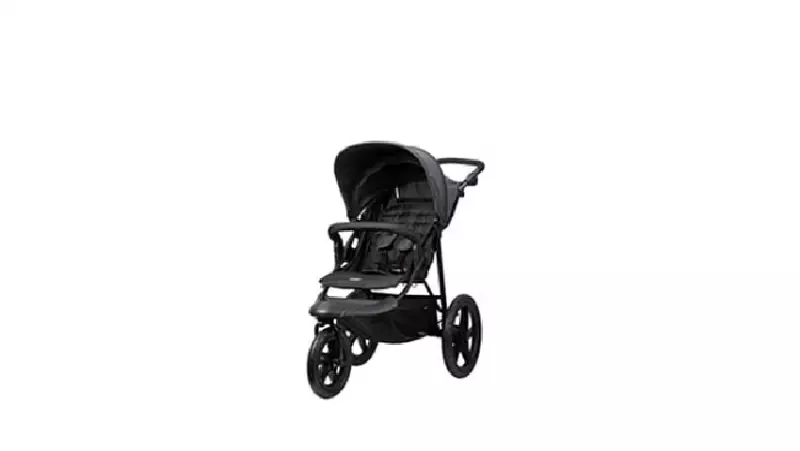
For parents navigating the bustling streets and varied terrains of urban India, the humble baby stroller has undergone a quiet revolution. No longer just a simple seat on wheels, contemporary stroller design is now a critical piece of engineering aimed at solving the complex mobility challenges faced by modern families. These innovations are transforming daily routines, making trips to the market, park, or metro station significantly more manageable.
Engineering for Real-World Urban Challenges
The core of modern stroller innovation lies in addressing specific pain points. Designers have moved beyond basic functionality to create products that seamlessly integrate into an active parent's life. The focus is on enhancing everyday mobility through thoughtful features that prioritize both the child's comfort and the caregiver's ease of use.
A primary advancement is in wheel and suspension systems. Recognizing that Indian pavements can be uneven and obstacles are frequent, top-tier strollers now feature all-terrain wheels with advanced suspension. This design absorbs shocks from bumps and cracks, ensuring a smoother ride for the baby and reducing the physical strain on the parent pushing the stroller. Whether it's navigating a broken footpath or crossing a busy road, these strollers offer superior stability and control.

Key Features Redefining Parental Convenience
Beyond wheels, several design elements stand out for their practical impact. The push for lightweight yet durable materials like aluminium alloys has been a game-changer. It allows for a sturdy frame that doesn't add excessive weight, making it easier to lift the stroller into auto-rickshaws or carry it up a flight of stairs when necessary.
Perhaps one of the most valued features is the one-hand, quick-fold mechanism. In a scenario where a parent might be holding a child or bags, the ability to collapse the stroller swiftly with a single hand is invaluable. This feature is crucial for using public transport or storing the stroller in compact urban living spaces. Furthermore, adjustable handlebars cater to parents of different heights, promoting a natural, upright posture and preventing back pain during long walks.
Designers have also turned their attention to storage solutions. Ample under-seat baskets and additional pockets address a common need for Indian parents who often combine childcare with shopping or other errands. This integrated storage eliminates the need for separate bags, streamlining the outing.
The Impact on Daily Life and Parental Well-being
The cumulative effect of these design choices is profound. A well-designed stroller acts as a force multiplier for parental freedom and confidence. It enables families to maintain a more active and engaged lifestyle after the arrival of a child. The reduction in physical strain directly contributes to lower parental fatigue, while the increased reliability of the equipment reduces stress during outings.
These strollers support a wider range of activities, from casual walks in the park to more ambitious trips to shopping malls or family visits. They empower parents, especially mothers, to move around the city with greater independence. The market has responded with a variety of models, from ultra-compact umbrella strollers perfect for quick trips to robust, full-featured travel systems designed for all-day comfort.
In essence, the evolution of stroller design is a testament to user-centric innovation. By solving tangible problems related to everyday mobility for parents, these products do more than transport children; they enhance the quality of daily life for entire families, making urban parenting a little less daunting and a lot more mobile.