Kolkata's Social Scene Embraces 'House Dating' as Screen-Free Alternative
Kolkata's vibrant social landscape is undergoing a subtle yet significant transformation. Moving decisively away from the digital realm of dating apps and meticulously curated profiles, a novel concept called "house dating" is gaining traction. This innovative format brings strangers together in relaxed, informal settings that deliberately exclude screens, signaling a growing preference among the city's youth for more authentic, organic, and in-person interactions.
From Digital Fatigue to Human Connection
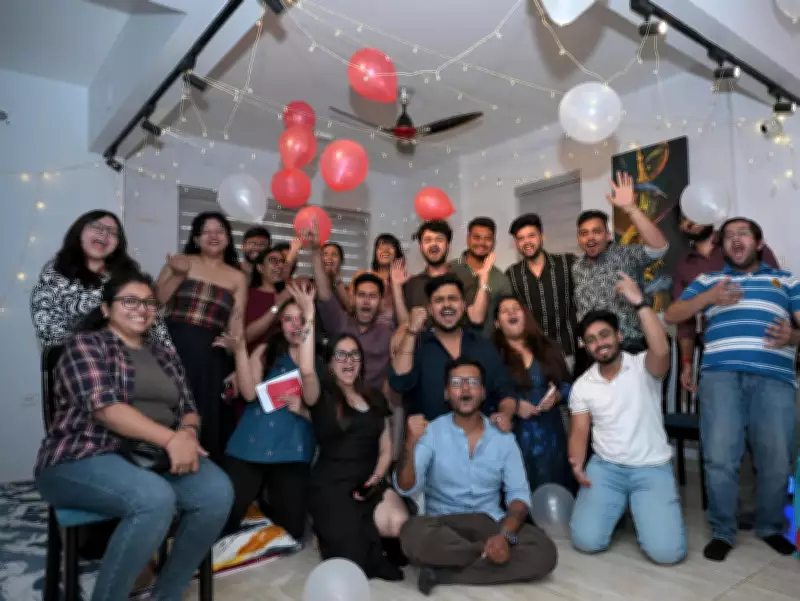
A recent event organized by Sarfira Trips perfectly illustrates this trend. Approximately thirty participants gathered for an evening centered on conversation and group activities within a comfortable, home-like environment. This format stands in stark contrast to traditional speed dating or algorithm-driven app matchmaking. The focus was entirely on unstructured, natural interactions, with participants encouraged to set their phones aside for the duration.
This initiative taps into a widespread phenomenon of screen fatigue. Despite having unprecedented digital tools for connection, young people are increasingly seeking substantive, offline experiences. The organizers observed that digital dating often feels transactional, characterized by brief conversations and ambiguous intentions. In response, their event replaced profiles and algorithms with shared games and open dialogue designed to foster genuine rapport. The primary goal was cultivating comfort and ease, rather than securing immediate romantic matches.

Reviving the Human Element of Dating
The Sarfira Trips team—comprising Aniket Das (Business Head), Pronay Roy (Marketing Head), and Sayantan Dutta (Operations Head)—explained the philosophy behind house dating. "When we founded Sarfira Trips, our core idea was to unite strangers and let shared experiences facilitate connection," they stated. "Over time, we recognized a deeper issue: people today are inundated with options yet frequently experience a profound lack of real, meaningful connection."
"That's where House Dating was born," they continued. "Our aim wasn't to 'fix' dating. We simply wanted to reintroduce its human side." They describe the format as an intentional effort to create a social space "without filters, without pressure, and without the constant distraction of screens." Reflecting on their inaugural event, the team highlighted the atmosphere as the standout success. "It wasn't merely about the interactions; it was the palpable comfort. Witnessing people open up and genuinely enjoy being around new faces confirmed we're addressing a real need."
Participants Report Unprecedented Ease and Warmth
Feedback from attendees underscores the format's effectiveness. Participant Vatsal Agarwal remarked, "It was a lovely event. Looking forward to more events like these." Another attendee, Sudarshana Nag, described the experience as exceptionally warm. "I never imagined strangers could be so welcoming... it was one of the warmest, most beautiful encounters I've had in years," she shared, emphasizing the organic and pressure-free environment.
A Broader Social Shift in Urban India
While framed as a dating innovation, house dating reflects a larger societal shift in how young urban Indians are choosing to socialize. From curated supper clubs to hobby-centric meetups, there is a discernible movement toward smaller, community-focused experiences that prioritize physical presence and engagement over digital interaction.
In Bengal, where social culture has historically been anchored in rich conversation and communal spaces, formats like house dating represent a contemporary reinterpretation of these enduring traditions for a new generation. Currently, the concept operates on a modest scale. However, the enthusiastic early responses strongly suggest a growing demand for offline, experience-driven connections, potentially reshaping social dynamics one intimate gathering at a time.