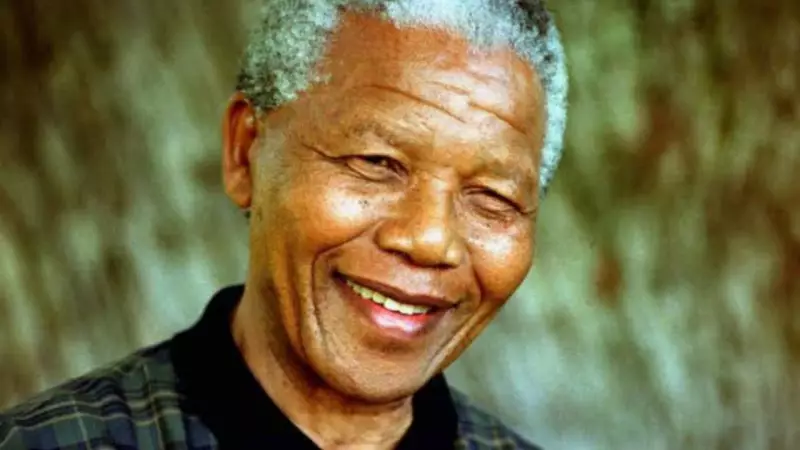
While the world unanimously reveres Nelson Mandela as a global political icon, his most profound legacy offers a blueprint for a task much closer to home: parenting. The man who endured 27 years of imprisonment, facing relentless injustice and separation from his own family, emerged not with bitterness but with a revolutionary spirit of peace and unity. This extraordinary journey from prisoner to president holds transformative lessons for raising the next generation—children who lead with heart, not hate.
Forgiveness as a Superpower, Not Surrender
In a culture that often equates strength with winning arguments and holding grudges, Mandela's life stands as a powerful counter-narrative. His choice of peace over revenge upon his release in 1990 demonstrated that true fortitude lies in the capacity to forgive. For parents, this translates into daily practice. When children witness conflicts between siblings being resolved with empathy, or see parents sincerely apologize for their mistakes, they absorb a critical lesson: relationships hold more value than rigid pride. Teaching kids that forgiveness is an active choice to release the poison of anger equips them with a resilient emotional toolkit for life.
Cultivating Compassion Through Daily Practice
Mandela famously warned that "Resentment is like drinking poison and then hoping it will kill your enemies." This insight is the cornerstone of nurturing compassionate children. It begins with shifting focus from judgment to understanding. Indian parents can foster this by creating an environment where feelings are openly discussed, not suppressed. Encouraging children to listen actively before responding, and helping them reflect on how their actions impact others, builds emotional intelligence. Simple acts—thanking a domestic helper, sharing toys, or comforting a distressed friend—are practical classrooms where compassion becomes a lived habit, celebrated as earnestly as academic achievements.

Modeling Calm: The Art of Peaceful Resolution
Mandela's unparalleled influence was rooted not in a raised voice, but in a calm, reasoned, and respectful demeanor. In the heat of domestic conflicts—be it sibling rivalry or parent-child disagreements—emulating this calm is perhaps the most challenging yet vital lesson. When parents manage their own anger and choose dialogue over dictation, they show children that love remains steadfast even during disagreement. This models conflict resolution that relies on humanity and respect, teaching young minds that true leadership is about bridging divides, not creating them.
The ultimate goal is to raise builders, not breakers. By integrating Mandela's principles of forgiveness, compassion, and calm into our parenting, we nurture individuals who value harmony over ego, who seek to solve problems through empathy rather than aggression. As Mandela proved, creating a better world is in our hands. That monumental task begins in the humble, everyday interactions within our families, shaping children who will carry forward a legacy of peace.