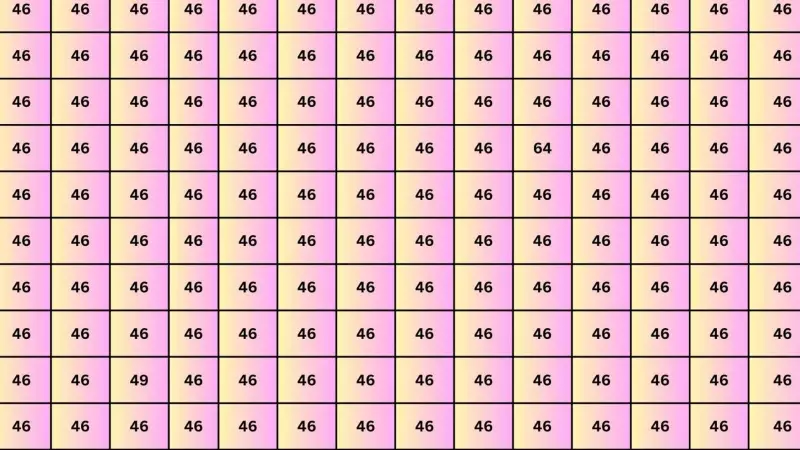
A deceptively simple optical illusion has taken the internet by storm, leaving even the most sharp-eyed puzzle enthusiasts scratching their heads in confusion. What appears to be a straightforward pattern is actually hiding a cleverly concealed number that's proving incredibly difficult to spot.
The Challenge That's Breaking the Internet
Social media platforms are buzzing with frustrated users sharing their attempts to crack this visual puzzle. The image, which features an intricate pattern of swirling lines and shapes, contains a hidden numeral that seems to disappear and reappear depending on how you look at it.
Many users report spending minutes—some even hours—staring at the image, convinced they're moments away from solving the mystery. The challenge has become so addictive that people are sharing it with friends and family, creating a viral chain of brain-teasing entertainment.

Why This Puzzle Is So Tricky
This particular optical illusion stands out for several reasons:
- Clever camouflage that integrates the number seamlessly into the background pattern
- Visual interference created by competing shapes and lines
- Psychological factors that cause our brains to overlook the obvious
- Variable perception where the number becomes visible only from certain angles or distances
What makes this puzzle particularly fascinating is how it exploits the way human vision processes information. Our brains are wired to recognize patterns and fill in gaps, but this illusion cleverly disrupts those natural processes.
Tips to Help You Solve the Mystery
If you're struggling to find the hidden number, try these proven techniques:
- Step back from your screen and view the image from a distance
- Try squinting or slightly blurring your vision
- Look at the negative spaces between the patterns
- Take regular breaks to refresh your visual perception
- Consider the image in black and white if color is distracting
Many successful solvers report that the number suddenly "pops" into view when they least expect it, often after looking away and returning with fresh eyes.
The Science Behind Optical Illusions
Optical illusions like this one work by exploiting the gap between what our eyes see and how our brain interprets that information. They reveal fascinating aspects of human perception, including how we process contrast, recognize patterns, and make assumptions about our visual environment.
These puzzles aren't just entertaining—they're valuable tools for neuroscientists and psychologists studying visual processing and cognitive function. The fact that this particular illusion has gone viral demonstrates our enduring fascination with testing the limits of our own perception.
So, are you ready to take on the challenge that's baffling thousands online? Your observation skills are about to be put to the ultimate test!