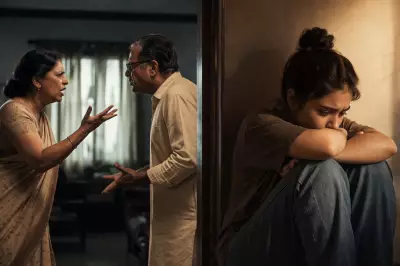
The Hidden Harm of Comparing Siblings
In many homes, sibling comparison slips out almost casually. One child is called 'the sensible one.' Another is praised for being 'the smart one.' A third is told to 'learn from your brother' or 'be more like your sister.' On the surface, it may sound harmless, even motivational. In reality, it often does quiet damage to both children—the one being compared and the one being held up as the standard. What makes sibling comparison so powerful is that it does not always arrive as open cruelty. More often, it comes dressed as concern, encouragement, or frustration. But children rarely hear it that way. They hear ranking. They hear competition. They hear that love, approval, and attention may depend on how well they measure up.
It Turns Siblings into Rivals
Children are not born competing with each other. They are taught to compete when adults repeatedly place them side by side. A parent may believe comparison will push a child to improve. Instead, it often creates a silent rivalry where each child starts watching the other for signs of advantage or failure. This changes the atmosphere of the home. Siblings may stop seeing each other as allies and begin seeing each other as proof that they are falling short. A child who is always compared to a more accomplished sibling may feel resentful, while the one who is praised may feel pressure to keep winning that role. Neither child gets to simply be a child.
The 'Better' Child Carries Pressure Too
One of the biggest myths about sibling comparison is that only the less-favoured child suffers. The child being held up as the example can be hurt just as deeply. Being the 'good' one, the 'bright' one, or the 'responsible' one may look flattering from the outside, but it can become a burden very quickly. That child may feel they are valued only for performance. They may become afraid of making mistakes because one failure could mean losing the role they were assigned. Instead of feeling loved for who they are, they may feel they must keep earning their place in the family through achievement, obedience, or perfection. This creates a strange kind of loneliness. The child may be admired, but not truly known. They may be praised, but not freely seen.

The Other Child Starts to Shrink
For the child who is constantly measured against a sibling, comparison often eats away at confidence. Over time, they may begin to believe they are less intelligent, less lovable, or less capable, even when that is not true. Repeated comparison can make a child feel like they are permanently behind, no matter how hard they try. That feeling is corrosive. A child who believes they will never be the 'chosen' one may stop trying altogether, or try in desperate, anxious ways that leave them emotionally exhausted. They may grow up with a heavy inner voice that tells them they are second best before they even begin.
It Weakens the Parent-Child Bond
Comparison also changes the child's relationship with the parent. Instead of feeling understood as an individual, the child feels evaluated. Every achievement becomes part of a family scoreboard. Every mistake becomes evidence in an invisible case against them. Over time, this can make children hide parts of themselves. They may stop sharing honest feelings, stop talking about failures, and stop trusting that their parents are safe people to come to. The home becomes less of a refuge and more of a place where performance is constantly being watched. That emotional distance can last into adulthood. Many adults who were raised with sibling comparison still struggle to accept praise, trust their worth, or speak to themselves kindly.
It Teaches the Wrong Lesson About Love
At its core, sibling comparison sends a distorted message: that people must earn belonging by being better than someone else. That is not a lesson children should carry into life. It breeds insecurity, not character. It teaches hierarchy, not self-respect. Healthy parenting is supposed to help children develop their own strengths, not compete for a spot in the family's emotional hierarchy. One child may be artistic, another practical, another sensitive, another outspoken. Those differences do not need to be ranked. They need to be understood.

What Children Need Instead
Children thrive when they are seen as separate, individual human beings. They need encouragement that is specific, not comparative. 'You worked hard on this' is healthier than 'Why can't you be like your sister?' 'You handled that well' is far stronger than 'Your brother never gives this much trouble.' When parents notice each child's unique traits, they create room for confidence without rivalry. They teach siblings to respect differences rather than fear them. And they replace competition with something far more valuable: a sense of being loved for who they are, not for how they stack up. Sibling comparison may seem small in the moment. But children often carry its weight for years. What sounds like a passing remark to an adult can become a lasting story in a child's mind. That is why the words parents choose at home matter so much. Children do not just hear them. They build themselves around them.