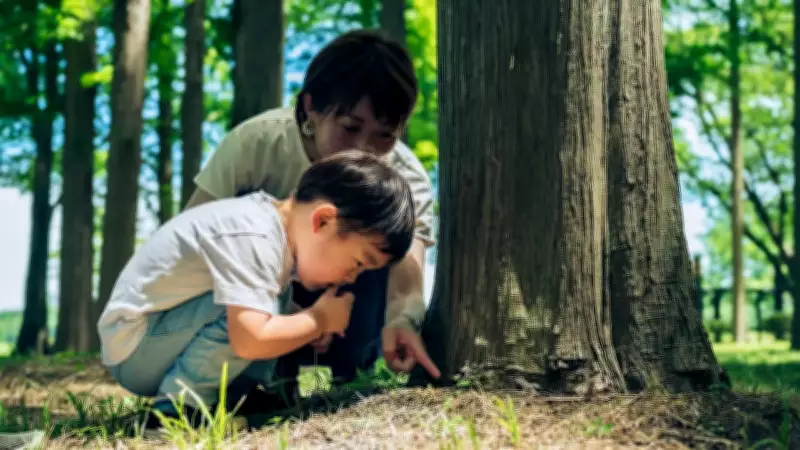
A child's world is full of questions. For them, every object is new, every feeling is strange, and every idea is an opportunity. Curiosity builds the foundation of childhood. It is not a phase but a force that makes them creative, allows them to think, and live life with confidence. However, sometimes parents miss out on these very facts and unknowingly make their child stop asking questions. While it does not happen intentionally, it does create an impact on the child. Here are four common ways parents may unintentionally shut down their child's curiosity and better ways to respond.
1. When parents dismiss a child's doubts and say 'because I said so'
Almost every parent hears the phrase, 'Why can't we go there?' and the easiest response many come up with is 'because I said so!' While in some situations it is important for children to follow instructions, dismissing their question can kill curiosity. Replace 'because I said so' with a simple explanation. Children ask questions because they are trying to understand the world around them. Offering a small explanation whenever possible helps them feel respected. Instead of saying 'because I said so,' parents can try, 'We can't do this because it may not be safe.' This teaches children that their questions matter.
2. When parents laugh at their child's 'silly' questions
'Do fish get thirsty?' Such a question may sound funny to adults, but it represents a child's genuine curiosity and imagination. When parents laugh at these questions repeatedly or say things like 'What a silly question,' children may begin to associate curiosity with embarrassment, which can slowly reduce their confidence in expressing ideas. Encourage questions instead of judging them. A child's unusual questions are often signs of creativity and imagination. Simply saying 'That's an interesting thought' can help children feel comfortable sharing their ideas. It also helps build confidence in expressing themselves.

3. When parents turn questions into quick lectures
Sometimes children ask a simple question, but instead of answering, adults immediately turn it into a long explanation. A child asks, 'Why does it rain?' and suddenly they receive a detailed science lesson. While teaching children is valuable, too much information at the wrong moment can make curiosity feel like work. Turn questions into conversations, not lectures. Children don't always ask because they need a complete explanation; sometimes they simply want to explore an idea. Instead of a long lecture, parents can involve kids in the conversation. Engage them by asking, 'What do you think?' This helps develop independent thinking and keeps learning enjoyable.
4. When parents treat hobbies like distractions
A child spends hours drawing, building things, collecting objects, making up stories, or exploring how things work. Adults may sometimes see these activities as 'wasting time' compared to academics. But hobbies often reveal a child's natural curiosity. When parents repeatedly dismiss hobbies as useless, children may start believing that only certain types of learning have value, and they slowly drift away from their natural interests. Treat hobbies as windows into your child's mind. Whether they are drawing, building, experimenting, or creating stories, these activities allow children to explore. Instead of calling them distractions, parents can show interest by asking, 'Tell me about what you made?' A child's hobbies are not just ways to pass time; they often reveal their interests, creativity, and problem-solving skills.
By being mindful of these common pitfalls and adopting better responses, parents can nurture their child's innate curiosity and help them grow into confident, creative, and lifelong learners.