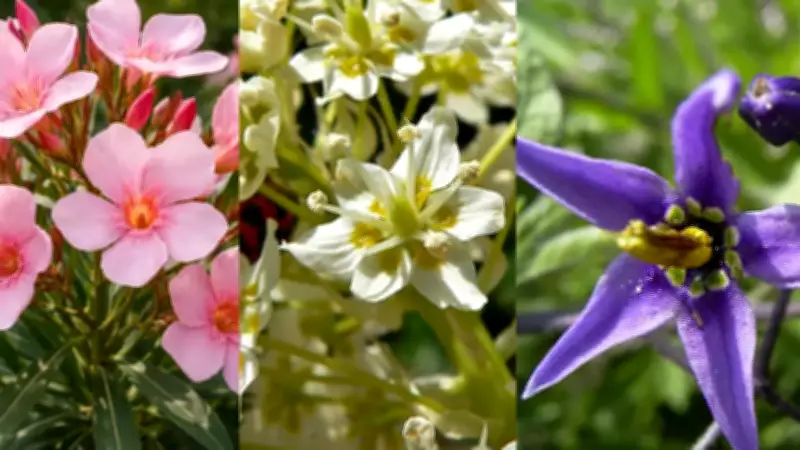
10 Beautiful Yet Dangerous Weeds Hiding in Your Garden: A Safety Guide
A vibrant, colorful yard often signals a healthy garden, but not all flowering plants that appear in your outdoor space are beneficial. In fact, some visually appealing weeds contain toxic chemicals that can pose serious health risks to both humans and animals. These plants frequently grow naturally in fields, along roadsides, and even in home gardens, where their resemblance to harmless vegetation leads many to overlook them until problems arise.
Agricultural departments, botanical gardens, and plant safety organizations consistently warn that certain flowering weeds contain compounds that may cause skin irritation, harm pets, or lead to illness if accidentally ingested. Gardeners must exercise caution and learn to identify these potentially dangerous species.
1. Monkshood (Wolfsbane)
Monkshood, also known as wolfsbane, features striking blue or purple blooms shaped like small hoods. This plant is admired for its unique beauty and often grows wild in colder climates. However, it contains potent alkaloids that affect the nervous system and heart. Even minimal contact or ingestion can cause symptoms including tingling sensations, dizziness, nausea, and more severe complications.

2. Foxglove
Foxglove is easily recognizable by its tall stems and rows of bell-shaped flowers in purple, pink, or white. While sometimes intentionally cultivated in gardens, it also occurs naturally in the wild. The plant contains chemicals that disrupt heart rhythms. Although these compounds have medicinal applications when processed, ingesting them directly from the plant can be hazardous.
3. Meadow Death Camas
Meadow death camas produces small, cream-colored flowers resembling lilies. It thrives in grassy fields and open landscapes, blending seamlessly with surrounding vegetation. This camouflage makes it difficult to spot. The plant contains toxic alkaloids that can induce vomiting, weakness, dizziness, and convulsions if consumed.
4. Pokeweed
Pokeweed is a tall plant distinguished by its reddish stems, small white flowers, and dark purple berries. It colonizes bare soil rapidly and can quickly spread in backyards. While some traditional recipes use processed young leaves, mature leaves and berries are poisonous. Ingestion typically causes nausea and gastrointestinal discomfort.
5. Bittersweet Nightshade
Bittersweet nightshade (Solanum dulcamara) is a climbing weed commonly found along fences, hedges, and woodland edges. It bears purple flowers with bright yellow centers and shiny red fruits. Although the flowers appear harmless, the plant contains mild toxins. Consuming the fruits may lead to stomach pain, nausea, and vomiting, and it can also be harmful to pets.
6. Giant Hogweed
Giant hogweed is a striking plant that can reach several meters in height, with large umbrella-shaped clusters of white flowers. Its impressive appearance often draws attention in gardens and open areas. Research from West Virginia University indicates that chemicals in the plant's sap react with sunlight, causing painful burns and permanent scars upon skin contact.
7. Oleander
Oleander (Nerium oleander) is an ornamental shrub prized for its bright pink, red, or white flowers and dense green foliage. It sometimes grows wild in warmer regions. Despite its beauty, oleander contains toxins that affect heart function. Ingesting even small amounts of leaves or flowers can trigger symptoms like vomiting, breathing difficulties, and heart rhythm abnormalities.
8. Water Hemlock
Water hemlock commonly inhabits areas near streams, ponds, or damp soil where wild plants flourish. It features small white flowers similar to those of wild carrots or parsley. The United States Department of Agriculture classifies water hemlock as one of North America's most poisonous plants. Its toxin, cicutoxin, can provoke severe seizures if consumed.

9. Deadly Nightshade
Deadly nightshade (Atropa belladonna) produces dark purple flowers and shiny black berries that may tempt unsuspecting individuals, especially children who mistake them for edible fruits. According to the Missouri Botanical Garden, all parts of the plant contain potent toxins affecting the nervous system and heart. Small doses can cause blurred vision, irregular heartbeat, and poisoning.
10. Jimson Weed
Jimson weed (Datura stramonium) is a wild plant that thrives easily in disturbed soil and sometimes invades backyard gardens. It is recognizable by its trumpet-shaped white or pale purple flowers that open in the evenings. While the flowers are attractive, the plant contains chemicals harmful to the nervous system. Accidental ingestion of seeds, leaves, or stems can be dangerous.
Safety Precautions for Gardeners:
- Learn to identify these and other toxic plants common in your region.
- Wear gloves when handling unknown or suspicious vegetation.
- Educate children about the dangers of eating wild plants or berries.
- Monitor pets in gardens and remove hazardous weeds promptly.
- Consult local agricultural extensions or botanical experts for guidance on safe plant management.
By staying informed and vigilant, gardeners can enjoy beautiful outdoor spaces while minimizing risks from these deceptively dangerous weeds.