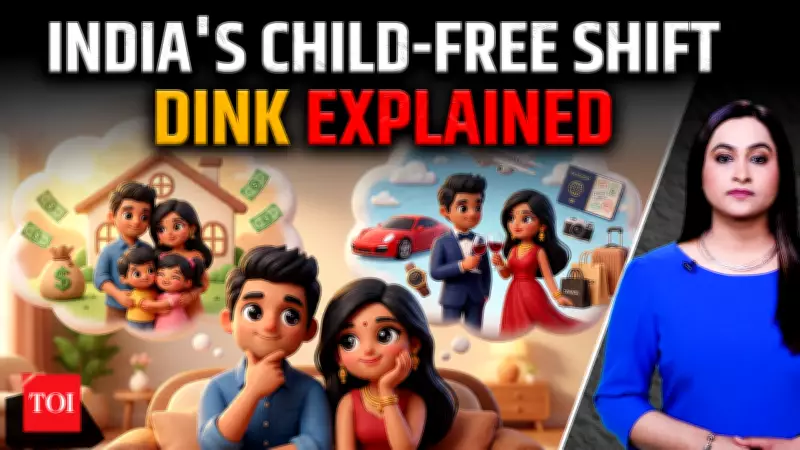
The Rise of DINK Couples in India: A Shift from Traditional Family Norms
In India, the traditional family ideal has long been centered on marriage followed by children, encapsulated in the popular phrase "hum do, humare do" (we two, our two). However, this conventional dream is undergoing a significant transformation. Recent data reveals a notable increase in childless marriages across the country, with the percentage rising from 7% in 2015-16 to 12% in 2019-21. This trend is particularly pronounced in urban areas, where factors such as higher education levels, delayed marriages, career aspirations, lifestyle preferences, and the substantial financial burden of raising children are driving more couples to opt for a child-free life.
Understanding the DINK Phenomenon
The term DINK, which stands for Dual Income, No Kids, has gained traction as a descriptor for this growing demographic. These couples, often both partners working, choose to forgo parenthood to focus on personal and professional goals. This shift marks a departure from India's deeply ingrained cultural expectations, where having children is traditionally seen as a natural progression after marriage. The rise of DINK couples reflects broader societal changes, including increased urbanization, greater gender equality in the workforce, and evolving attitudes toward family planning.
Key Factors Driving the Trend
Several interconnected factors contribute to the increasing prevalence of DINK couples in India. Rising education levels among both men and women have led to later marriages, as individuals prioritize academic and career achievements before settling down. This delay often results in couples having fewer or no children due to biological constraints or personal choice. Career ambitions play a crucial role, with many professionals seeking to advance in their fields without the responsibilities of parenting. Additionally, lifestyle factors such as travel, hobbies, and social engagements are becoming more valued, offering alternatives to the traditional family-centric life.

The high cost of raising a child is another significant deterrent. In urban India, expenses related to education, healthcare, and extracurricular activities can be prohibitive, leading couples to reconsider the financial implications of parenthood. This economic pressure, combined with a desire for financial independence and stability, makes the DINK lifestyle an attractive option for many.
Implications for Indian Society
The growing number of DINK couples has profound implications for Indian society. It challenges long-standing norms around family structure and gender roles, potentially leading to greater acceptance of diverse life choices. From an economic perspective, this trend could impact sectors like education and childcare, while also influencing consumer behavior as DINK couples often have higher disposable incomes to spend on luxury goods, travel, and investments. However, it also raises questions about future demographic shifts, such as aging populations and support systems for the elderly, which may require policy adjustments.
In summary, the rise of DINK couples in India signifies a broader cultural evolution, driven by education, career goals, lifestyle preferences, and financial considerations. As more married couples choose to remain childless, it reflects a move toward individualism and redefined success, away from traditional family expectations.