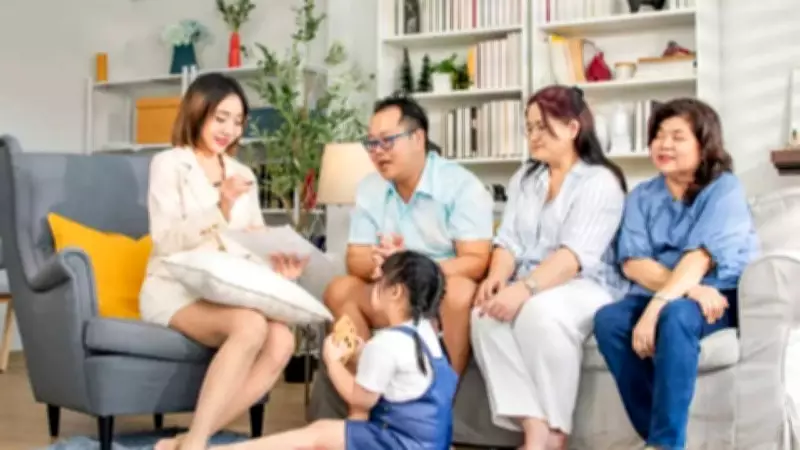
Joint Family Upbringing Builds Emotionally Resilient Children, Experts Agree
In an era where nuclear families are increasingly common, the traditional joint family structure retains profound emotional and social significance. Experts widely concur that children raised in environments with grandparents, uncles, aunts, and cousins develop crucial life skills that foster emotional resilience from an early age.
Children Learn to Adapt to Diverse Personalities
Joint family setups naturally expose children to a wide array of personalities and perspectives. Interacting daily with individuals of different ages and life outlooks teaches children that not everyone thinks or behaves alike. This early lesson in adaptation helps them develop flexibility and coping mechanisms for varied social interactions, which is a foundational benefit of this family structure.
Multiple Sources of Emotional Support
One of the standout advantages of joint families is the availability of multiple emotional support sources. When children feel disappointed or upset by one family member, they can readily turn to others for comfort and guidance. This network prevents feelings of loneliness and provides a safety net of emotional security, significantly strengthening a child's psychological well-being.

Shared Responsibilities Foster Accountability
Joint families typically operate as cohesive teams in managing household tasks and celebrations. Children in such environments learn teamwork and develop a strong sense of accountability. Understanding that their actions impact the entire household instills responsibility and purpose, which are key components in building resilience.
Conflict Resolution as a Vital Life Skill
Inevitable conflicts within joint families become valuable learning opportunities. Children observe and participate in resolving disagreements, realizing that conflicts do not necessarily end relationships. This experience equips them with confidence and skills to handle life's challenges effectively, making them more adept at navigating interpersonal difficulties.
Strong Cultural and Value-Based Foundations
Joint families offer rich cultural and traditional backgrounds that help children develop a strong sense of identity and belonging. Exposure to family values and heritage teaches them that challenges are a natural part of life and can be overcome with determination. This connection to something greater than themselves provides emotional strength and stability.
Companionship as a Source of Happiness
Having cousins and extended family members around ensures constant companionship. Children in joint families rarely experience loneliness, as there is always someone to play with or talk to. This continuous interaction enhances their communication skills and reduces feelings of isolation, better preparing them for social pressures outside the family.
Exposure to Real-Life Challenges Fosters Maturity
Joint families provide firsthand exposure to real-life challenges such as financial decisions, elder care, and collective problem-solving. Children growing up in these settings learn to face life's ups and downs with patience and maturity. They are not overly sheltered, which helps them develop resilience and the ability to handle various situations calmly and effectively.