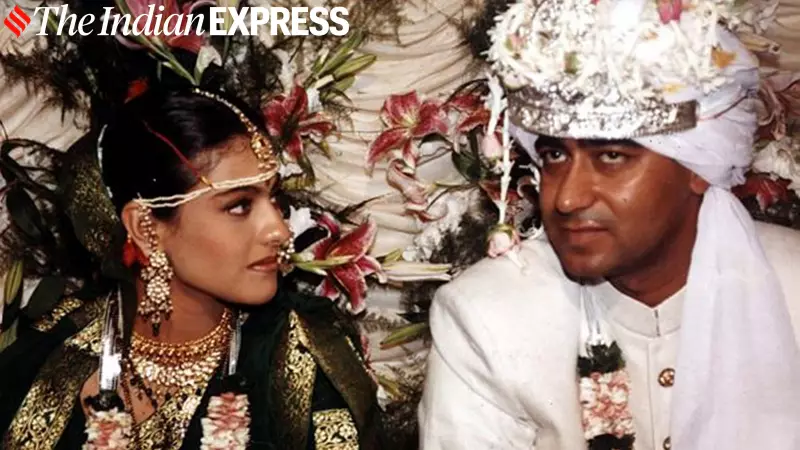
Bollywood star Kajol has consistently sparked conversations with her candid takes on marriage and relationships. Her perspective, however, has not remained static, offering a fascinating glimpse into how personal views on partnership can transform over decades.
From Rejection of Stereotypes to Finding Balance
Shortly after her wedding to actor Ajay Devgn on 24 February, 1999, Kajol made a definitive statement. She declared, “I am not a stereotypical wife and I won’t do stereotypical things because then we will have a stereotypical marriage and I don’t want that.” This sentiment, challenging rigid gender roles, resonated with many seeking an equal partnership.
Nearly a decade later, her outlook had matured. In an interview, she described her marriage as a “balance of traditional and modern roles,” highlighting mutual adaptation and shared responsibilities. This shift marked a move from outright rejection to a more nuanced, negotiated coexistence of different expectations within a long-term relationship.

The Bold Suggestion: Marriages with an Expiry Date
More recently, on her talk show “Two Much with Kajol and Twinkle,” the actor proposed an even more unconventional idea. She suggested that marriages should come with an expiry date and a renewal option. “What guarantees that you’ll marry the right person at the right time? If there’s an expiry date, no one has to suffer for too long,” Kajol reasoned. This comment questioned the very notion of marital permanence, stirring widespread debate.
Psychologist Decodes the Evolution of Marital Ideals
To understand this evolution—from rejecting stereotypes to balancing roles and questioning permanence—we spoke to Dr Naveen Kumar Dhagudu, senior consultant psychiatrist at Yashoda Hospitals, Hyderabad.
Dr Dhagudu explains that a newlywed's rejection of traditional roles often stems from a deep need to protect individuality. “Early marriage can feel like stepping into a role written by society, and many people resist that setup because they want their relationship to feel authentic, equal, and uniquely theirs,” he says. This initial stance is more about self-expression than being anti-tradition.
He emphasizes that the idea of an ideal marriage rarely stays the same. The journey typically moves from early idealism (romance, freedom, equality) to realism as responsibilities like work, children, and finances set in. Later, marriage is often viewed through the lens of companionship and emotional support. “Psychologically, it’s a journey from idealism to realism to acceptance,” Dr Dhagudu notes.
Regarding the questioning of permanence, as seen in Kajol's expiry-date idea, the psychiatrist views it as part of this evolution. “When the idea of permanence is questioned, it often points to fatigue or disappointment,” he states. This shift is a complex blend of personal growth and weariness, showing how heavy unchanging expectations can become over time.
Building a Flexible and Authentic Partnership
For couples aiming to avoid rigid roles, Dr Dhagudu advises focusing on fairness, flexibility, and open communication. The goal is not a constant battle against tradition but creating a shared rhythm that feels right for both partners.
Key recommendations include:
- Sharing responsibilities dynamically.
- Actively respecting each other's individuality.
- Maintaining honest and ongoing communication.
“When responsibilities are shared, individuality is respected, and communication is open, the marriage becomes less about rejecting stereotypes and more about living authentically together,” he concludes. This balanced approach, he believes, reduces pressure and fosters a deeper, more sustainable connection.