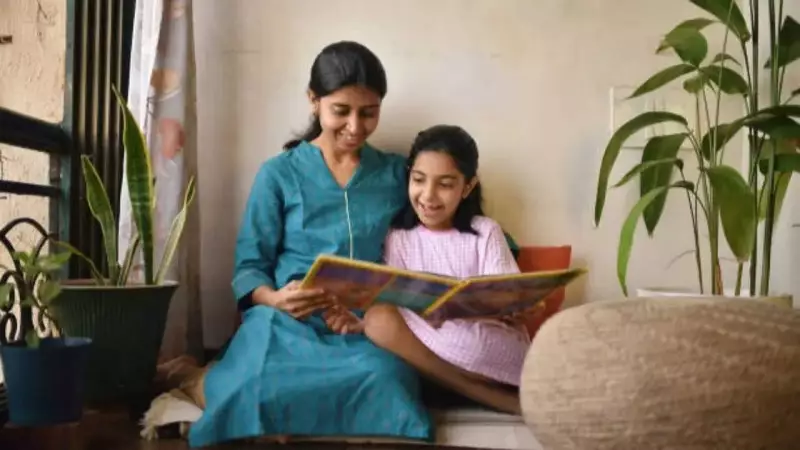
In the fast-paced life of modern India, parenting is often equated with instructing, correcting, and teaching. Yet, amidst this daily hustle, one profoundly simple act stands out as the most potent tool in a parent's arsenal: the art of listening. The idea that listening is the strongest form of parenting underscores how a parent's attentive presence fundamentally shapes a child's emotional world. When children feel heard, they experience a sense of value and safety that forms the bedrock of their confidence.
How Listening Makes Children Feel Valued and Secure
When parents genuinely listen, children feel seen, appreciated, and respected. This applies to everyday conversations, whether about school events, friendships, or small worries. This practice sends a powerful, affirming message: "Your thoughts matter." Such validation is not about grand gestures but about giving undivided attention without interruption or immediate judgment. This foundation of emotional security encourages children to express themselves openly, fostering healthy self-esteem and confidence from a young age.
Building Lifelong Trust Through Open Communication
Trust is cultivated when children know they can share anything—their mistakes, fears, or dreams—without fear of dismissal or harsh reprisal. A calm, listening parent creates a sanctuary of understanding. This openness strengthens the familial bond, teaching children that home is a safe space for confiding. This trust, built from childhood, eases communication through the challenging adolescent years and into adulthood, making the parent-child relationship more resilient.

Fostering Emotional Intelligence and Reducing Conflict
Active listening is a masterclass in emotional intelligence. By attentively hearing a child's expressions of anger, sadness, or excitement, parents validate those feelings. Often, the goal isn't to immediately solve the problem but to understand it. This teaches children that emotions are normal and manageable. Consequently, they mature into individuals who are emotionally aware and can communicate their feelings healthily. Furthermore, listening proactively reduces power struggles and resistance. When a child feels understood, they are more likely to cooperate, shifting the dynamic from control to connection and creating a calmer, more respectful home environment.
Ultimately, listening transcends words. It's about presence—the eye contact, the patient response, the genuine interest. These moments tell a child, "You matter." While specific advice may be forgotten, the enduring memory of feeling safe and heard remains. In the long journey of raising children in India, listening truly emerges as the most powerful and loving form of parenting.