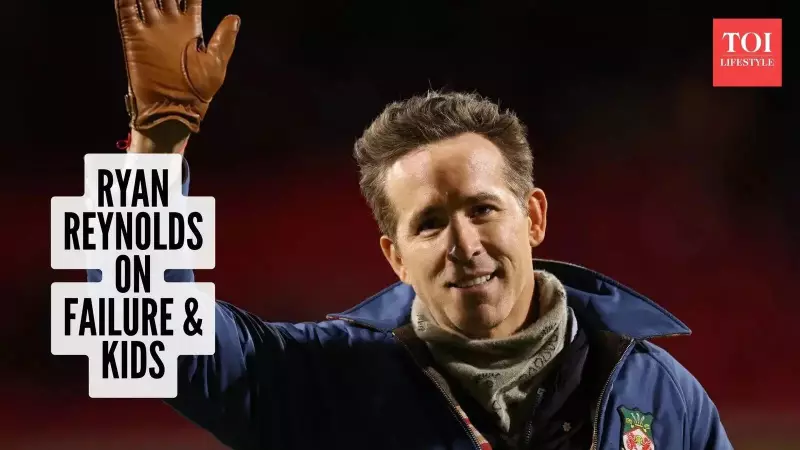
Ryan Reynolds, the globally renowned actor celebrated for his quick wit, undeniable charm, and impressive career achievements, presents a picture of perpetual success. However, beyond the glamorous red-carpet appearances and box-office triumphs, Reynolds has become increasingly vocal about the personal and professional setbacks that have shaped his journey. In recent discussions, he has articulated a powerful parenting philosophy: it is equally crucial for his children to understand his failures as it is for them to witness his successes.
The Danger of the "Highlight Reel" Perspective
Reynolds has astutely observed a common societal blind spot. From an external viewpoint, his life appears as a continuous series of victories—blockbuster movies, widespread fame, and public adoration. His children are constantly exposed to this polished, triumphant narrative. This curated exposure, Reynolds warns, creates a significant peril: it can lead young minds to develop the misconception that life is solely about winning and that success arrives effortlessly, without struggle or disappointment.
Failure as the Essential Foundation
Contrary to the instinct to conceal shortcomings, Ryan Reynolds posits that failure is not something to be hidden or ashamed of; rather, it serves as the fundamental groundwork upon which everyone builds their eventual achievements. He actively reminds his children that every rejection, every misstep, and every project that did not meet expectations carries within it a valuable lesson. In his considered view, an honest understanding of failure is instrumental in helping children develop core life skills. It fosters inner strength, cultivates resilience in the face of adversity, and establishes realistic expectations about the unpredictable nature of life's journey.

Fostering Emotional Intelligence Through Honest Dialogue
In various interviews, Reynolds has stressed a critical point: adults often exclusively share their victories, creating an environment where children may come to perceive losing or making mistakes as inherently shameful. He is determined to counter this narrative for his own family. Reynolds wants his children to comprehend that feelings of embarrassment, the making of errors, and even experiences of anxiety are universal aspects of the human condition. By initiating open and honest conversations about these challenging emotions, parents can empower their children to better understand their own feelings, thereby promoting significant emotional growth and intelligence.
Leading by Example: From Public Flops to Life Lessons
Ryan Reynolds' career provides a perfect case study, encompassing both spectacular successes and very public disappointments, most notably the much-memed film Green Lantern. Instead of ignoring or downplaying such episodes, he deliberately uses them as teachable moments. He shows his children how to confront and process situations that did not unfold as planned, demonstrating grace and humor even when the wider world might be offering criticism or laughter. This approach transforms personal setbacks into powerful lessons in accountability and perspective.
Encouraging Risk-Taking and Building Confidence
By openly sharing his own experiences with failure, Reynolds actively encourages his children to embrace risk-taking without an overwhelming fear of judgment or failure. He wants them to internalize the belief that the act of trying and potentially failing is infinitely more valuable than never attempting at all. This foundational mindset is key to fostering genuine self-confidence. Children learn to approach life with boldness and curiosity, rather than retreating into excessive caution that can stifle growth and exploration.
Preparing for Real-World Challenges
Reynolds firmly believes that when children learn to process and make sense of setbacks constructively, they develop into more reflective, thoughtful, and focused individuals. The emphasis shifts away from an unattainable pursuit of perfection and toward developing critical thinking skills and the tenacity to overcome obstacles. Armed with this more genuine and balanced understanding of life, children become better equipped to navigate the real world, where both accomplishments and disappointments are inevitable and intertwined parts of the human experience.

Disclaimer: This article is based on publicly available quotes and interviews with Ryan Reynolds, sourced from reputable news outlets. The information reflects his shared perspectives and publicly stated intentions regarding parenting and does not claim to include private family experiences or details not expressed by Ryan Reynolds himself.