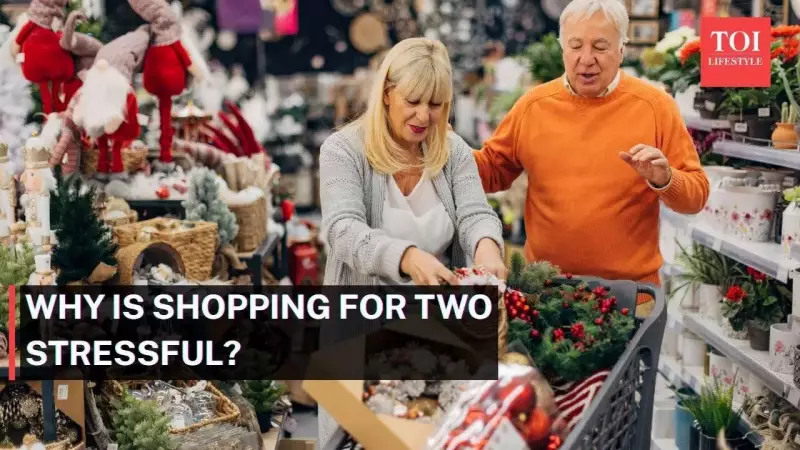
We have all faced that moment of frozen indecision in a supermarket aisle, trying to pick a dinner your partner will love, or spent hours scrolling through endless hotel options for a friends' trip. A new study confirms what many have long felt: shopping for two or more people is significantly more stressful than shopping for yourself.
The Science Behind Shared Purchase Stress
Researchers from the UC Riverside School of Business conducted a detailed investigation into consumer anxiety, published in the Journal of Marketing Research. The study, led by co-author Margaret Campbell, Associate Dean and Professor, and first author Sharaya Jones, Assistant Professor at George Mason University, examined how different shopping scenarios affect stress levels.
The team compared three types of decisions: buying for oneself, buying a gift for someone else, and buying something for shared use. They surveyed over 2,000 participants, asking them to rank their anxiety after considering various purchasing situations. These ranged from picking healthy drinks for a meeting or snacks for a movie, to more complex choices like selecting travel activities or wine for a friend's party.

Key Findings: Responsibility, Not Difficulty
The results were clear and striking. Buying goods or services to be shared generated significantly more anxiety than the other two categories. This includes choosing an Airbnb for a family, a restaurant for a date, or even the beer for a game night with friends.
Professor Campbell explained the core reason: "You feel more responsible when you’re making these sorts of decisions, and you feel less confident about your ability to do a good job with it. You worry about getting it wrong when there is a strong desire to make both of you happy." Interestingly, the stress was not linked to the decision's complexity. "It’s not about decision difficulty. It’s about the added emotional weight of responsibility," Campbell noted.
The anxiety was highest when the shopper was unsure of the other person's preferences. However, knowing what the other person liked reduced stress and boosted confidence, unless the decision-maker knew it was impossible to please everyone.
How to Shop for Others Without the Stress
The researchers didn't just identify the problem; they offered practical, actionable strategies to ease the burden of shared shopping decisions.
- Learn Preferences: Actively try to understand what others like. If someone asks for your preference, avoid vague answers like 'whatever you want' and provide specific guidance.
- Choose Consensus-Friendly Options: Opt for top-rated restaurants, best-selling snacks, or popular films. These 'safe bets' reduce the fear of making a poor choice.
- Offer Variety: When shopping for a group, consider variety packs or multiple options to ensure everyone finds something they enjoy.
"When you’re choosing something to share—like food or a movie—it’s not just a financial transaction. It becomes a social decision because you’re trying to accommodate someone else’s preferences," Campbell summarized. With the holiday season upon us, her final advice is simple: if someone tells you 'pick whatever,' gently ask them to be more specific. A little clarity can prevent a lot of anxiety.