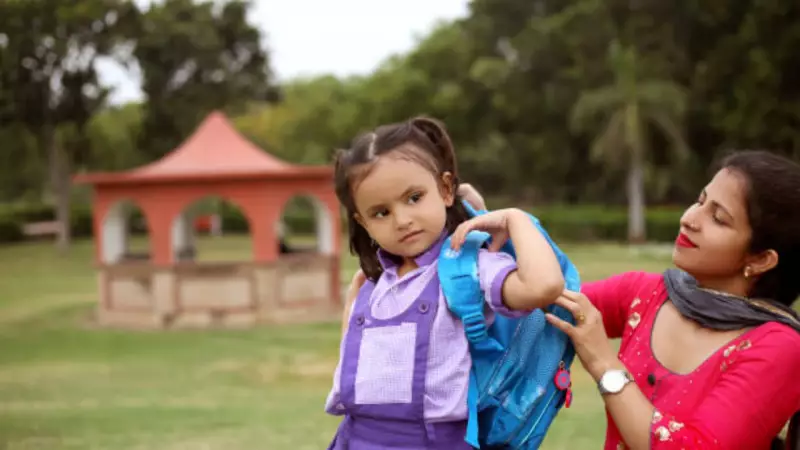
For countless working parents across India, the morning preschool drop-off is a daily emotional tightrope walk. That heart-wrenching moment when your little one clings to your shirt, eyes brimming with tears, pleading "Don't go," can leave you feeling torn between love, duty, and guilt. You offer a reassuring smile and a kiss, then head to your meetings, carrying the weight of that poignant goodbye.
The Emotional Crossroads of Love and Responsibility
This difficult separation sits at the complex junction of parental love, guilt, and responsibility. It's crucial to remember that you are not abandoning your child; you are balancing vital roles. A toddler's world doesn't yet include concepts like work deadlines, rent, or professional commitments. They simply understand that their primary source of safety and comfort is leaving. Those tears are actually a positive indicator of a secure attachment bond, not a sign of your failure as a parent. The child cries because they trust you enough to express their fear openly; it's an adaptation to new routines, not manipulation.
Practical Strategies for Smoother Transitions
Managing this challenging phase effectively requires a blend of predictability, preparation, and poise. Morning chaos fuels anxiety, so establishing a calm, consistent routine is foundational. A predictable sequence—breakfast, getting dressed, a shared joke, and the same goodbye phrase—gives a child a reliable framework. This repetition signals to their nervous system that this happens daily, and crucially, that you return every day.

Preparation outside the emotional heat of the moment is another powerful tool. Talk about preschool positively: describe the activities, snack time, teachers, and the pickup routine. Avoid over-dramatizing, but be honest. When children know what to expect, the unknown becomes less frightening. The goodbye itself should be warm, calm, and brief. Lingering, sneaking away, or returning after leaving often prolongs the distress. A firm hug, direct eye contact, a clear phrase like "I'll see you after playtime," followed by a confident exit communicates that the environment is safe and the separation is temporary.
The Role of Support and Self-Care
Don't underestimate the role of preschool teachers. Building trust with the staff, sharing your concerns, and asking for their support can bridge the gap between home and school. Many teachers use transition rituals like a special helper role, a wave from the window, or holding a favourite toy.
For the parent, the emotional labour often continues long after drop-off, tinged with guilt and worry. It's essential to affirm that going to work does not diminish your devotion. Children thrive on consistency, love, and stability—all of which your professional life helps provide. If separation meltdowns are severe, trust your intuition. Consider factors like overstimulation, social challenges, changes at home, or simple exhaustion. Small adjustments like an earlier bedtime or a slower morning can yield significant improvements.
Finally, acknowledge your own feelings. Take a few deep breaths in the car, send a quick text to your partner, or simply tell yourself, "That was hard." Parenting and working are not opposing forces; they are complementary acts of care—one for your child's present and one for your shared future.
Remember, this phase is not permanent. The day will come when your child waves goodbye eagerly and runs off to play. What endures is the quiet resilience of your love—showing up and balancing the impossible, often in ways no one else fully sees.