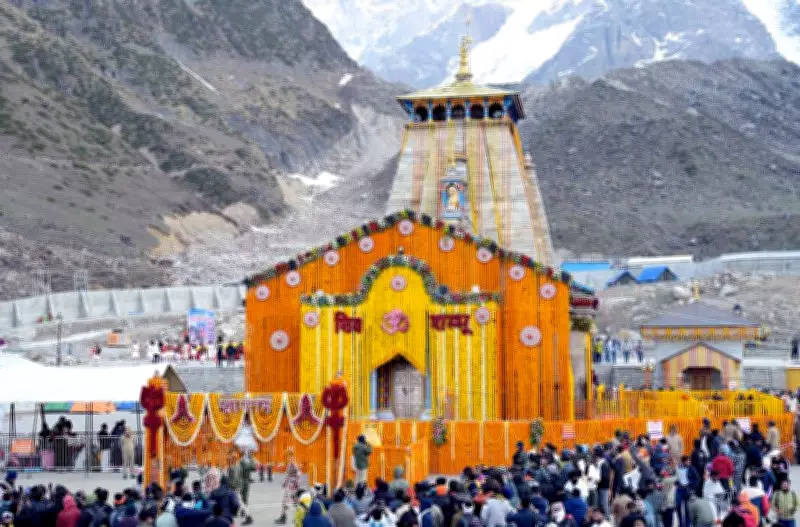
More than 1.24 lakh pilgrims have visited the revered Kedarnath Dham in Uttarakhand in the last four days, as the Char Dham Yatra season gains momentum. The temple, dedicated to Lord Shiva, is one of the most sacred pilgrimage sites in India, located in the Rudraprayag district at an altitude of 3,583 meters.
Pilgrimage Surge
According to officials, the influx of devotees has been steady since the beginning of the yatra. On the first day, 30,000 pilgrims offered prayers, followed by 32,000 on the second day, 36,000 on the third day, and 26,000 on the fourth day, totaling 1,24,000 visitors. The numbers reflect a robust revival of religious tourism post-pandemic.
Arrangements and Facilities
The Uttarakhand government has made extensive arrangements to ensure a smooth pilgrimage experience. Additional facilities include increased accommodation, medical camps, and enhanced security measures. Helicopter services have also been deployed to manage the rush and provide alternative transport for elderly and disabled pilgrims.

Chief Minister Pushkar Singh Dhami reviewed the preparations personally and directed officials to maintain cleanliness and safety standards. He emphasized the need for efficient crowd management to prevent any untoward incidents.
Challenges and Precautions
Despite the arrangements, the steep terrain and unpredictable weather pose challenges. Pilgrims are advised to undergo health check-ups before commencing the trek. The Meteorological Department has issued warnings about possible rain and landslides in the region.
- Devotees must register online for the yatra to avoid last-minute hassles.
- Medical facilities are available at multiple points along the route.
- Authorities have deployed additional personnel for rescue operations.
The Char Dham Yatra, which includes Yamunotri, Gangotri, Kedarnath, and Badrinath, is a significant religious circuit in Hinduism. This year, the pilgrimage began on May 3 and will continue until October. The surge in numbers indicates a strong faith among devotees and a boost for the local economy, which heavily relies on tourism.