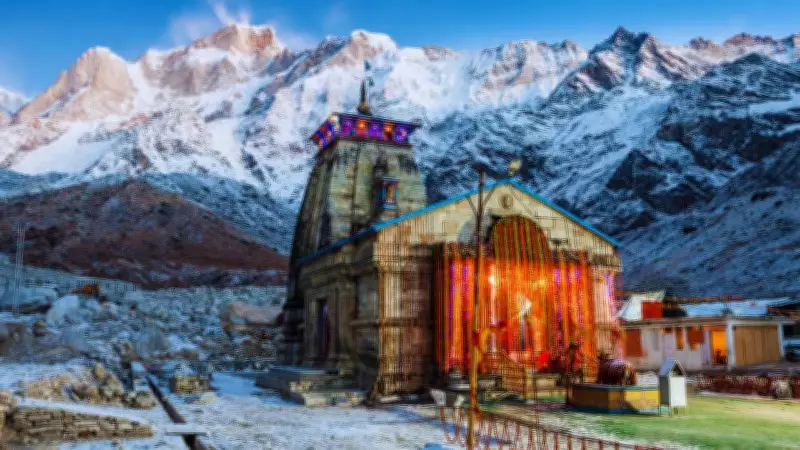
The Char Dham Yatra is not just a pilgrimage circuit but a deeply religious journey into some of the most magnificent landscapes of the Himalayas in India. Each year, thousands of devotees travel to Uttarakhand for the blessings of the holy shrines of Yamunotri, Gangotri, Kedarnath, and Badrinath amid harsh weather conditions, difficult paths, and rugged terrain. However, such a large number of pilgrims visiting the holy shrines has created several problems. Among these challenges are unpredictable weather, too many pilgrims, landslides, traffic congestion, unavailability of lodging, and altitude sickness.
With 2026 seeing yet another surge in the number of visitors in the pilgrimage season, getting ready for it has never been so crucial. Here are five vital tips that every pilgrim travelling through the Char Dham must know prior to the spiritual pilgrimage in the Himalayas.
1. Weather in the Himalayas Changes in Minutes
One of the most common mistakes made by pilgrims is to equate the good weather at plains during summer with the same during pilgrimage time in the Himalayas. In fact, the routes to Char Dhams are prone to sudden rainfall, landslide, fog, rockfall, and even snowfall at higher altitudes. Roadways might be closed temporarily on account of weather, especially during the period transitioning into monsoons. Therefore, pilgrims should have buffer days in their schedule rather than a tightly packed one.

2. Altitude Sickness Can Affect Even Healthy Pilgrims
Kedarnath and Badrinath are located at heights, and sudden increase in height can cause physical distress among pilgrims who are not familiar with high altitudes. Shortness of breath, dizziness, fatigue, dehydration, and altitude sickness are frequently experienced by pilgrims, especially the senior ones. It is recommended for pilgrims to walk slowly, drink plenty of water, refrain from having large meals when walking, and get enough sleep. If the pilgrim suffers from heart disease, breathing problems, and high blood pressure, he or she should seek advice from a physician regarding the Yatra.
3. Booking Facilities in Advance Is Essential
There is an increasing number of pilgrims who undertake the Char Dham Yatra today. Consequently, lack of accommodation in most cases occurs. Accommodation facilities, helicopter service, horse carriage, taxi, and dharamshala booking can be full during peak times. Last-minute booking may lead to higher prices for facilities. It would be wise for pilgrims to book accommodation, transport, and register in advance.
4. Packing for Several Seasons in One Trip
The distinct reality of travelling to Char Dham is the ability to experience a variety of climatic situations at once. Sunny afternoons can abruptly change to chilly evenings in Kedarnath and Yamunotri. Tourists must carry layered clothing, raincoats, hiking boots, medicines, high-energy foods, flashlights, and power banks. Rain gear becomes essential because it rains unexpectedly in the mountains.
5. Following Safety Norms and Responsible Tourism
Safety rules may involve alternate routes, vehicle prohibitions, vehicle license checks, weather-related movement, and other actions that must be rigorously adhered to by tourists during the Char Dham Yatra period. Violation of such rules could put the tourist's life in danger and jeopardize the lives of those who have been sent for the purpose of rescuing them. The tourist must not litter or camp in environmentally sensitive areas of the Himalayas during the rainy season.