India's Iconic Wetlands: Nature's Living Treasures
India's wetlands are not merely serene water bodies adorned with reeds; they are vibrant, living ecosystems that silently nurture some of the planet's most extraordinary biodiversity. Spanning floodplains, deltas, high-altitude plateaus, and coastal edges, these aquatic landscapes serve as crucial fish nurseries, winter retreats for migratory birds, and secure refuges for threatened species. For travelers and nature enthusiasts, wetlands provide an unparalleled opportunity to observe wildlife intimately: from dawn flights of flocks to otters gliding through channels and birds nesting near tranquil waters. From globally recognized Ramsar sites to legendary bird sanctuaries, here are five of India's most iconic wetlands and the remarkable wildlife treasures they safeguard.
Keoladeo National Park, Rajasthan: A Birdwatcher's Paradise
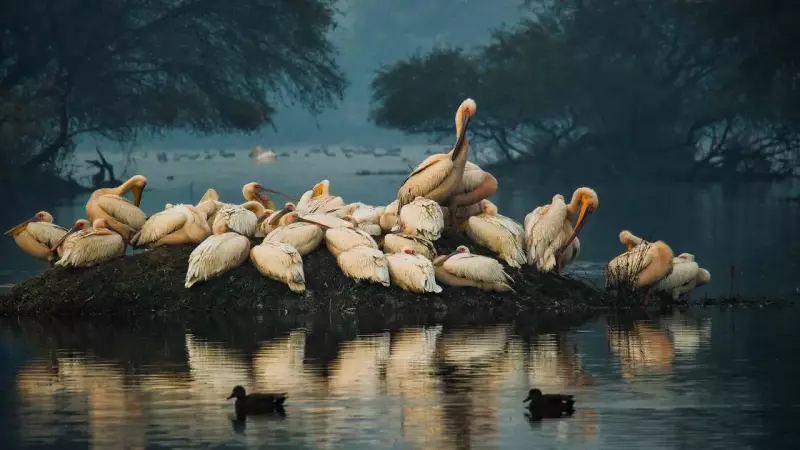
Once a royal duck-hunting reserve, Keoladeo National Park in Bharatpur has transformed into one of the world's most acclaimed bird sanctuaries. Designated as a UNESCO World Heritage Site, this compact wetland mosaic features marshes, shallow lakes, grasslands, and woodlands that seasonally host thousands of birds from Central Asia, Siberia, and Europe. During winter, the park becomes a bustling aviary, teeming with painted storks, bar-headed geese, pelicans, northern pintails, and numerous other waterfowl. Historically renowned as a wintering ground for the Siberian crane, now absent but remembered in conservation efforts, Keoladeo also shelters pythons, monitor lizards, jackals, nilgai, and spotted deer, showcasing a diverse ecosystem beyond avian life.
Chilika Lake, Odisha: Asia's Largest Brackish Water Lagoon
Stretching along Odisha's coastline, Chilika Lake is a vast, dynamic lagoon where freshwater rivers merge with the sea. As Asia's largest brackish water wetland, it supports an astonishing array of life and plays a pivotal role in the Central Asian Flyway for migratory birds. Each winter, millions of birds, including flamingos, grey and purple herons, black-tailed godwits, spoonbills, and countless ducks, gather in Chilika's shallow waters and islands, with spectacular concentrations around Nalabana Bird Sanctuary. Additionally, Chilika is famous for its resident population of endangered Irrawaddy dolphins, often spotted surfacing near Satapada, adding to its ecological significance.

Loktak Lake, Manipur: The Floating Wetland Wonder
Loktak Lake, Northeast India's largest freshwater wetland, stands out globally due to its unique phumdis—floating islands of vegetation, soil, and organic matter that drift across the surface, creating an ever-shifting landscape. Within this floating maze lies Keibul Lamjao National Park, the world's only floating national park and the last natural sanctuary for the endangered sangai, or brow-antlered deer, Manipur's state animal. Rich in birdlife, fish species, and aquatic plants, Loktak sustains both wildlife and local communities, highlighting a delicate balance between ecology and livelihood.
Vembanad-Kol Wetland, Kerala: The Backwater Heartland
Sprawling across multiple districts in Kerala, the Vembanad-Kol wetland system forms the core of the state's famed backwaters. As India's longest lake and one of its most productive wetland ecosystems, it features calm waterways lined with mangroves, paddy fields, and canals that provide habitat for otters, turtles, frogs, and myriad fish species. For bird enthusiasts, the region becomes a seasonal haven, attracting migratory birds like terns, sandpipers, and egrets, while resident species nest along reed beds and coconut-fringed banks. Houseboat journeys through Vembanad offer a firsthand view of centuries-old coexistence between human life and wetland ecology.

Pong Dam Lake, Himachal Pradesh: A High-Altitude Sanctuary
Nestled against the majestic Dhauladhar range, Pong Dam Lake, officially known as Maharana Pratap Sagar, is a vital high-altitude wetland in North India. Created by a reservoir on the Beas River, it has evolved into a crucial wintering ground for migratory birds escaping the harsh climates of Central Asia and Tibet. Annually, tens of thousands of birds, including bar-headed geese, ruddy shelducks, common coots, pochards, and grebes, flock here. The surrounding marshes and mudflats also support jackals, leopards, sambar deer, and wild boar, underscoring its importance as a designated Ramsar site for biodiversity conservation.