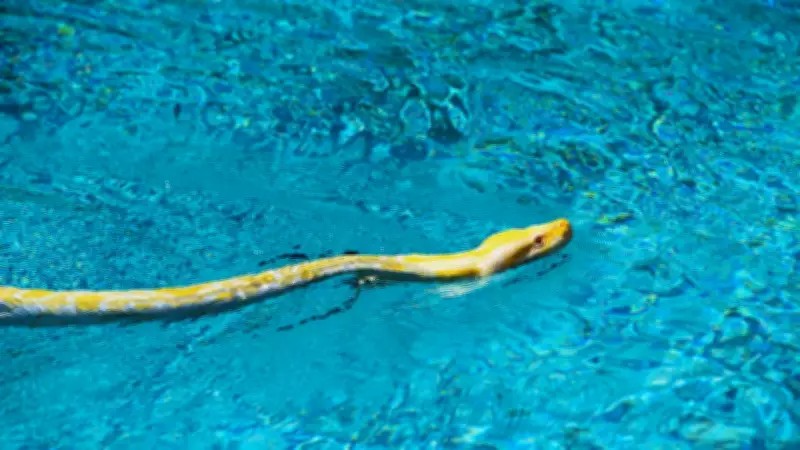
Swimming pools in hotels serve as sanctuaries of relaxation; a refreshing escape from the tropics, the culmination of a busy day of sightseeing, or an integral part of luxury vacations. However, where there are many trees, water bodies, riverbeds, and sometimes landscaped gardens near the resort, there will be wildlife, and the odd appearance is not impossible. Snakes can make an appearance too.
Fortunately, it should be mentioned that finding snakes in hotel pools is not very common, and most often, snakes entering such areas are non-venomous snakes seeking water, food, or a means of exiting the pool where they have fallen by mistake. Nevertheless, being aware of the potential hazards may come in handy. Understanding which species are common around swimming pools and preparing some precautionary practices before swimming in them would enable tourists to take full advantage of their holidays.
Checkered Keelback
Of all the snakes in India that could potentially find their way into a pool, the checkered keelback is one that comes close. Commonly referred to as the "Asian water snake," this non-venomous reptile is a very good swimmer and lives mostly around ponds, lakes, marshes and streams. In fact, hotel pools situated near wetlands or in lush surroundings may unwittingly lure frogs and fish, which are the exact types of prey this snake feeds on. Although the checkered keelback flattens its body when disturbed and appears aggressive, it is not a threat to humans.

What travellers should do: Before jumping in, take a quick look around the pool's edges and scan the water surface. A trapped snake is often seen circling the perimeter in search of an exit.
Indian Rat Snake
The Indian rat snake, one of India's most flexible and long snakes, can easily be seen in both urban and rural areas. What many people don't realise is that it is also a highly capable swimmer. The non-venomous snakes will enter the premises of a resort in search of prey like frogs, rodents, and birds. In case they fall into a swimming pool by mistake, then it becomes hard for them to climb out due to the steepness of the wall.
What travellers should do: Check pool ladders, corners and skimmer areas before entering the water, especially if your accommodation is surrounded by dense vegetation.
Green Keelback
The green keelback is mostly known for frequenting moist areas and gardens that have plenty of water. Spotted in certain parts of peninsular India, it is a small and mildly venomous species, and tends to avoid human interaction. The green keelback is more likely to make an appearance when there is enough moisture due to monsoon showers and humidity. It is possible to find these snakes near hotel pools as a part of their wandering trail. Its green coloration makes it merge into the surrounding greenery.
What travellers should do: Take a moment to inspect shrubs, hedges and poolside planters before settling down near the water.
Buff-Striped Keelback
This snake species, slender and resembling an earthworm initially, is yet another harmless one. This non-venomous snake species favours wetlands with plenty of amphibians and insects for food sources. It can be found in irrigated lawns as well as poolside greenery. They are difficult to notice unless stepped upon.
What travellers should do: Avoid walking barefoot through overgrown grass around the pool area, particularly during the evening or after rainfall.
Common Wolf Snake
The common wolf snake is small in size, thin in appearance and mostly active at night time. The common wolf snake is commonly spotted within towns, villages and residential areas throughout India. Commonly, it often slips into residential houses or resorts when chasing after geckos, which form the primary part of its diet. In the monsoon season, it is quite possible for the wolf snake to hide in utility rooms close to pools, under deck chairs or close to external lights where insects and lizards are abundant. The dark-coloured snake with white stripes may get confused with the venomous common krait due to its appearance.

What travellers should do: Check beneath poolside loungers, around outdoor furniture and near storage areas before settling in, particularly if you're staying at a nature resort or visiting during the rainy season.