Exploring the Unique Wildlife of the Indian Himalayas
The Indian Himalayas, spanning across the majestic states of Ladakh, Himachal Pradesh, Uttarakhand, Sikkim, and Arunachal Pradesh, represent one of the world's most extraordinary biodiversity hotspots. This vast mountainous landscape, characterized by extreme altitudes, snow-covered peaks, and isolated ecosystems, hosts a remarkable array of specially evolved species that have adapted to thrive in these challenging conditions. From apex predators roaming the snow-capped ranges to elusive creatures blending into forest canopies, the wildlife here embodies the untamed spirit of the Himalayas. Let's delve into five unique species that make this region a fascinating destination for wildlife enthusiasts and conservationists alike.
The Elusive Snow Leopard: Ghost of the Mountains
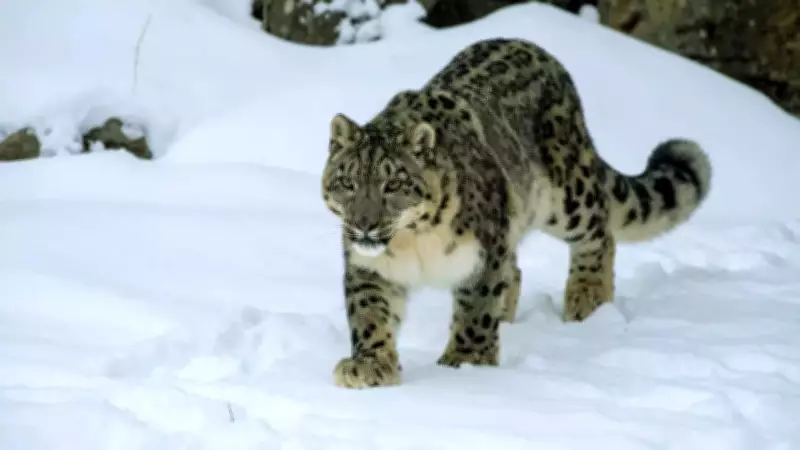
Often referred to as the "ghost of the mountains," the snow leopard stands as the most iconic predator of the high-altitude Himalayan ranges. These magnificent felines are perfectly adapted to survive beyond the tree line, where temperatures plummet and terrain becomes treacherous. Their thick, insulating fur provides protection against freezing conditions, while their large, padded paws facilitate movement across deep snow. Notably, their exceptionally long tails serve as crucial balancing tools when navigating steep, rocky slopes.
Snow leopards inhabit the remote mountain ranges of Ladakh, Himachal Pradesh, and Uttarakhand, where they lead solitary lives away from human settlements. Their elusive nature and exceptional camouflage make sightings rare and extraordinary, contributing to their mystical reputation among wildlife observers.

Himalayan Monal: A Symphony of Colors
The Himalayan monal, proudly designated as the state bird of Uttarakhand, ranks among the world's most visually stunning avian species. This bird captivates observers with its iridescent plumage that spectacularly reflects sunlight, displaying vibrant hues of green, blue, copper, and gold. Against the backdrop of alpine forests, the monal creates a striking visual contrast that highlights nature's artistic brilliance.
These colorful birds thrive at elevations ranging from 2,400 to 4,500 meters above sea level, primarily inhabiting oak, conifer, and rhododendron forests. Their presence adds both visual splendor and ecological significance to the Himalayan ecosystem.
Red Panda: The Arboreal Marvel
Contrary to common misconception, the red panda is neither a bear nor closely related to the giant panda. This small, tree-dwelling mammal represents a unique taxonomic family and inhabits the eastern Himalayan regions of Sikkim and Arunachal Pradesh. Red pandas prefer cool, bamboo-rich forests where they demonstrate remarkable adaptations for arboreal life.
Distinguished by their reddish-brown fur, bushy ringed tails, and graceful movements through tree canopies, red pandas spend most of their time feeding on bamboo, resting on branches, and avoiding human interaction. Their shy, predominantly nocturnal behavior makes them challenging to spot, adding to their enigmatic appeal.
Himalayan Tahr: Master of Mountain Terrain
The Himalayan tahr exemplifies evolutionary perfection for high-altitude survival. This sturdy mountain ungulate possesses exceptional sure-footedness, enabling it to navigate steep, rocky terrain with remarkable agility. Males are particularly notable for their muscular builds and thick, impressive manes.
Found in the high-altitude grasslands and cliffs of Uttarakhand and Himachal Pradesh, tahrs frequently graze in sizable groups, often on near-vertical slopes that deter most predators. Their ability to endure harsh winters with limited vegetation showcases the extraordinary resilience of Himalayan fauna.
Himalayan Musk Deer: The Enigmatic Forest Dweller
Small, reserved, and rarely encountered, the Himalayan musk deer stands as one of the region's most mysterious mammalian inhabitants. These elusive creatures occupy dense alpine forests and scrublands, where their exceptional camouflage and cautious behavior make them challenging to observe.

Unlike typical deer species, musk deer lack antlers but possess distinctive long, fang-like teeth. Males are particularly renowned for their musk glands, which have been historically prized in perfume production. This unique characteristic, combined with their secretive nature, contributes to their fascinating ecological and cultural significance.
The Indian Himalayas continue to captivate scientists, conservationists, and nature enthusiasts with their incredible biodiversity. These five species represent just a glimpse into the rich tapestry of life that thrives in this challenging yet magnificent environment, reminding us of the importance of preserving these unique ecosystems for future generations.