

5 Most Unsettling UNESCO World Heritage Sites That Evoke Physical Discomfort
Travel discomfort isn't always about danger or narrative. Sometimes, it stems from the physicality of space—how it's constructed, confines, or warps perception. A select few UNESCO World Heritage Sites exemplify this phenomenon. These locations aren't intentionally "creepy," but their history, architectural design, preservation state, and environmental conditions create a tangible level of unease.
Here, the past doesn't require interpretation through stories; it's simply "present" in confined spaces, preserved forms, half-finished structures, or landscapes that overwhelm spatial references. The discomfort experienced is real, not imagined. Below are five such sites that stand out for their unsettling physical presence.
Auschwitz-Birkenau in Poland
Inscribed in 1979, the Auschwitz-Birkenau concentration camp is one of the most well-preserved sites from the Second World War, covering approximately 191 hectares. It includes both Auschwitz I and Auschwitz II-Birkenau. The rows of barracks, watchtowers, rail tracks, and fences stretch across a flat, open landscape with little interruption.

The source of physical unease lies in the stark contrast between the space's intended purpose and its current emptiness. Designed to accommodate thousands, it now stands as a silent, haunting reminder of history, where the sheer scale amplifies feelings of isolation and sorrow.
Pompeii in Italy
Part of the Archaeological Areas of Pompeii, Herculaneum and Torre Annunziata (inscribed in 1997), Pompeii showcases Roman urban centers preserved after Mount Vesuvius erupted in 79 CE. This site offers a unique glimpse into ancient urban layouts, with streets, buildings, and structures intact.
A particularly unsettling feature is the presence of plaster casts of bodies, created from cavities in volcanic ash. These casts capture individuals in their final moments of death, frozen in time. This physical evidence of tragedy, combined with the eerie stillness of the ruins, evokes a profound sense of vulnerability and historical immediacy.
Hiroshima Peace Memorial in Japan
Added to the UNESCO list in 1996, the Hiroshima Peace Memorial, also known as the Genbaku Dome, is one of the few structures to survive the atomic bomb dropped on August 6, 1945. It remains in its post-explosion state, intentionally unrestored, with a steel frame, broken masonry, and partially collapsed walls.
What makes the physical experience unsettling is its location within modern Hiroshima—a fully rebuilt city with functional infrastructure and bustling streets. The juxtaposition of this ruined, preserved building against a vibrant urban backdrop highlights the scars of history in a way that feels both jarring and poignant.
Derinkuyu Underground City in Turkey
Located within the Göreme World Heritage Site (inscribed in 1985), Derinkuyu is one of Cappadocia's largest excavated underground cities. Carved into soft volcanic rock, it extends about 60 meters deep, with multiple interconnected levels for habitation, storage, and protection.
Passageways are narrow, often requiring single-file movement, and ceilings are low enough to necessitate bending or crouching. Rooms are small, enclosed, and carved directly from rock, with minimal variation. This confined, labyrinthine environment can induce claustrophobia and a sense of disorientation, emphasizing the harsh realities of ancient subterranean life.
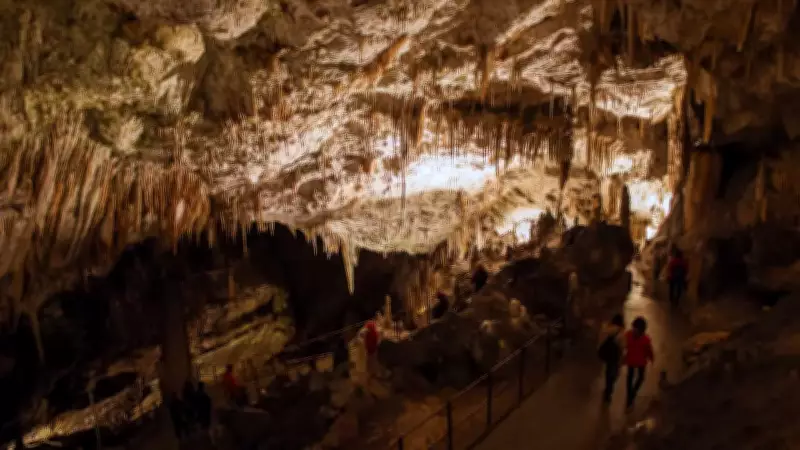
Škocjan Caves in Slovenia
Inscribed in 1986, the Škocjan Caves feature a karst landscape with one of the world's largest known underground canyons. The caves are defined by their enormous scale, with vertical drops exceeding 100 meters and vast, spatially undefined areas.
Visitors explore via man-made walkways and bridges attached to cave walls. These pathways are narrow compared to the surrounding space and often overlook significant drops. The unsettling feeling arises from the lack of reference points; the human body struggles to comprehend such immense, dark spaces without familiar scales, leading to sensations of awe mixed with unease.

These five UNESCO World Heritage Sites demonstrate how physical spaces can evoke deep discomfort through their history, preservation, and design. They remind us that some places carry weight beyond beauty, offering a raw, unfiltered connection to the past that challenges our perceptions and emotions.





