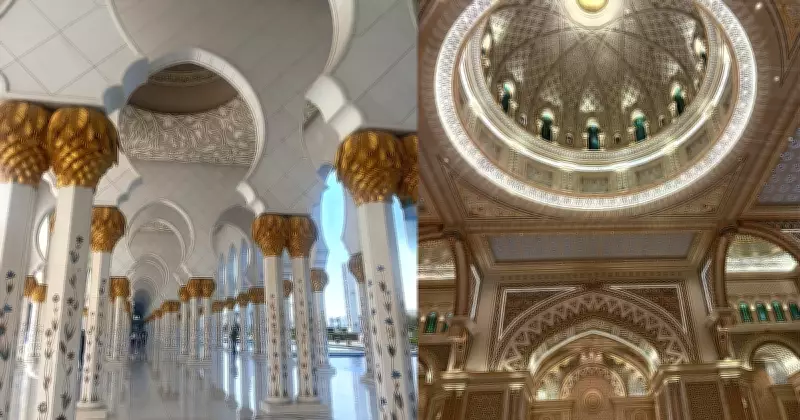
Abu Dhabi, the capital of the United Arab Emirates, is often associated with high-adrenaline adventures and glossy beachfronts. However, beneath its modern facade lies a deep cultural heritage and a story of transformation that is equally compelling. Barkha Kumari takes a closer look at the city's history and cultural evolution.
Qasr Al Watan: A Symbol of Heritage
One of the most iconic landmarks in Abu Dhabi is Qasr Al Watan, which features one of the world's largest domes. This presidential palace is not just a political hub but also a cultural landmark that showcases the region's rich history and architectural grandeur. Visitors can explore its grand halls, libraries, and exhibits that highlight the UAE's governance and heritage.
The Transformation of Abu Dhabi
Abu Dhabi has undergone a remarkable transformation from a modest fishing village to a global metropolis. The city's development has been carefully balanced with the preservation of its cultural identity. Initiatives like the Abu Dhabi Cultural Foundation and the Louvre Abu Dhabi reflect this commitment to blending tradition with modernity.

Beyond the Glitz
While the city is known for its luxury shopping and entertainment, there is a quieter side to explore. The Heritage Village offers a glimpse into traditional Bedouin life, while the date markets and souks provide an authentic taste of local culture. The city's museums and galleries also host a range of exhibitions that celebrate both local and international art.
Impact and Future
Abu Dhabi's focus on culture has not only enriched the lives of residents and visitors but also boosted its tourism sector. According to recent reports, cultural tourism has seen a significant increase, contributing to the local economy. As the city continues to grow, its commitment to preserving and promoting its heritage remains a key priority.