New Mexico's Bandera Volcano Ice Cave: A Frozen Desert Wonderland
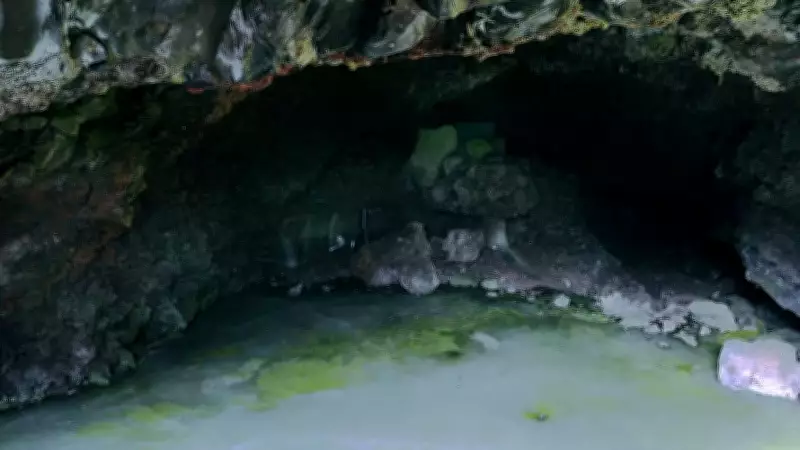
Hidden deep within the arid landscapes of New Mexico lies a remarkable frozen world that starkly contrasts with its desert surroundings. While summer temperatures outside can soar under the relentless sun, the Bandera Volcano Ice Cave maintains a constant frigid temperature of 31°F (minus 0.6°C) throughout the year. This natural phenomenon features ice up to 20 feet thick carpeting the cave floor, a centuries-old layer preserved by the cave's unique geological formation.
A Geological Marvel Formed by Volcanic Activity
The Bandera Ice Cave originated as a lava tube created during ancient volcanic eruptions. When molten lava flowed beneath the surface, the top layer cooled and hardened while the lava beneath continued moving. Eventually, this molten lava drained away, leaving behind a hollow tunnel that now serves as the cave. The cave's specific shape effectively traps cold air inside, while its porous walls act as insulation against the desert heat. Snowmelt and rainfall seep into the cave and freeze instantly upon contact with the icy floor, contributing to the gradual accumulation of ice layers over centuries.
Scientific research indicates this cave has remained below freezing for more than 3,400 years, making it one of the oldest intact ice caves in the United States. The dramatic contrast between the scorching desert environment just outside and the icy interior creates a breathtaking experience for visitors, who transition from sunbaked landscapes into what feels like a natural freezer—a hidden relic of time frozen in the desert.

Unexpected Life in Extreme Conditions
Despite the subzero temperatures, the Bandera Ice Cave is not entirely devoid of life. Remarkably, Arctic algae thrive on the icy surfaces, forming vibrant blue-green layers across the frozen floor. Environmental educator Paul Mauermann notes that the survival of these microorganisms in such extreme cold is extraordinary. This tiny ecosystem represents life persisting against all odds in an environment where one would least expect to find it within a desert setting.
Scientific Significance and Visitor Experience
The Bandera Volcano itself is now dormant, but its geological features tell a compelling story of explosive eruptions that shaped the region. The cinder cone formed a crater approximately 800 feet deep, with lava flows that cooled and hardened, some draining away to create the tunnels including the ice cave. Scientists study these lava flows to better understand volcanic activity patterns over millennia. The surrounding lava fields extend across 23 miles, serving as a powerful reminder of the raw geological forces that created this frozen oasis.
Beyond its visual appeal, the cave functions as a valuable natural laboratory where researchers can study ice preservation techniques, microbial life in extreme environments, and volcanic geology all in one location. Meanwhile, visitors are drawn to the site by its sheer surrealism—the experience of walking on a desert mountain trail before stepping into an environment that feels distinctly Arctic. The cave's quiet, eerie atmosphere creates an awe-inspiring sensation that some describe as making time itself seem to slow down within its frozen confines.