

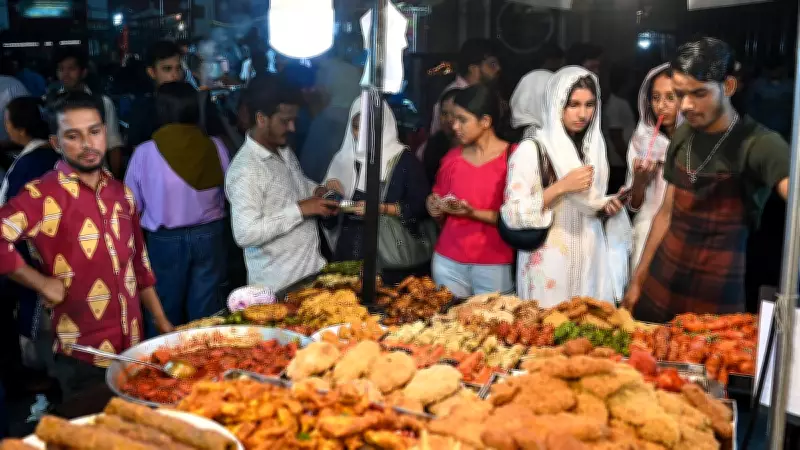
Bengaluru Ramzan Food Stalls Embrace Firewood Amid LPG Price Surge
In a significant shift driven by economic pressures, numerous Ramzan food stalls across Bengaluru have begun using firewood for cooking instead of traditional liquefied petroleum gas (LPG) cylinders. This change comes as a direct response to the steep increase in LPG prices, which has made it financially challenging for vendors to sustain their operations during the holy month of Ramadan. The transition to firewood is altering the culinary landscape of iftar preparations, with vendors adapting their methods to maintain the authenticity and flavor of traditional dishes while managing costs.
Economic Strain Forces Adaptation in Ramzan Traditions
The soaring cost of LPG cylinders has placed a heavy burden on small-scale food vendors who rely on them for cooking during Ramzan. Many stall owners report that the price hike has doubled or even tripled their fuel expenses, squeezing their already thin profit margins. As a result, they are turning to firewood as a more affordable alternative, despite its logistical challenges and environmental concerns. This shift highlights the broader economic struggles faced by informal sector workers in urban areas like Bengaluru, where inflation and rising living costs are impacting daily life and cultural practices.
Impact on Iftar Preparations and Vendor Livelihoods
The use of firewood is changing how traditional iftar items, such as kebabs, biryanis, and sweets, are prepared. Vendors note that cooking with firewood requires more time and effort, as it involves managing flames and ensuring consistent heat. However, some argue that it imparts a unique smoky flavor to the food, which can enhance certain dishes. Despite this, the switch has raised concerns about hygiene and air pollution, with local authorities monitoring compliance with health and safety regulations. For vendors, the move is a necessary compromise to keep their stalls running and serve the community during Ramzan, even as it adds to their workload and operational complexities.

Community Response and Future Outlook
The community in Bengaluru has shown mixed reactions to the change. While some customers appreciate the rustic charm and potential taste benefits of firewood-cooked food, others worry about the environmental impact and health risks associated with smoke emissions. Local residents and organizations are stepping in to support vendors by promoting their stalls and advocating for subsidies or relief measures to offset LPG costs. Looking ahead, if LPG prices remain high, this trend could become more widespread, potentially reshaping how Ramzan festivities are celebrated in the city. It underscores the need for sustainable solutions that balance economic viability with cultural traditions and public health.






