Bengaluru Welcomes Back Double-Decker Buses After 26-Year Hiatus
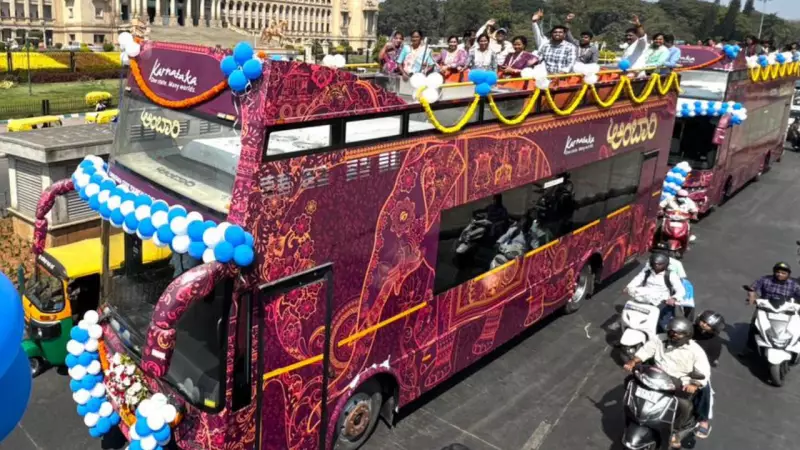
In a nostalgic revival of urban transport, Bengaluru has reintroduced double-decker buses to its streets for the first time since 1997. The Karnataka State Tourism Development Corporation (KSTDC) has launched an innovative hop-on, hop-off service specifically designed for tourists, marking a significant milestone in the city's tourism infrastructure development.
Tourism Promotion Through Iconic Transport
The primary objective of this initiative is to promote tourism in Bengaluru by showcasing central landmarks in an efficient and attractive manner. By providing both convenience and a unique sightseeing experience, the service aims to enhance visitor engagement with the city's cultural and historical sites. This strategic move represents a deliberate effort to position Bengaluru as a more tourist-friendly destination while leveraging transportation as a tourism tool.
Operational Details and Service Features
The pilot service operates with three Ambari buses imported from Mysuru, where similar vehicles are traditionally used during the Dasara festival. Each bus accommodates 40 passengers with a thoughtful layout: 20 seats in the fully air-conditioned lower deck and 20 on the open-top upper deck, providing comfort while offering panoramic city views.

The buses run daily from 10 am to 5.30 pm, with full-day tickets priced at Rs 180 per person. Tickets are conveniently available online through the official KSTDC website or at the Ravindra Kalakshetra starting point. The hop-on, hop-off model allows passengers to disembark and reboard at multiple designated stops throughout the day, offering unprecedented flexibility for exploring Bengaluru's central attractions.
Pilot Route Covering Key Landmarks
The initial route has been carefully designed to showcase Bengaluru's most significant landmarks. Starting from Ravindra Kalakshetra, the buses pass through Corporation Circle, Hudson Circle, and Kasturba Road before reaching cultural highlights like the Visvesvarayya Museum. The route continues past sporting venues including Chinnaswamy Stadium, administrative centers like the GPO, and culminates at architectural marvels such as the High Court and Vidhana Soudha.
Safety Considerations and Urban Adaptation
Given that double-decker buses are substantially taller than regular buses, special attention has been paid to clearance requirements throughout the pilot route. The initiative serves as a practical test of urban feasibility, ensuring safe passage under overpasses, around trees, and past traffic signals. This careful planning demonstrates how Bengaluru is adapting its infrastructure to accommodate specialized tourist transport while maintaining safety standards.
International Inspiration with Local Adaptation
The buses are modeled after London's iconic red double-deckers, blending international charm with Bengaluru's unique tourism infrastructure. This design choice aims to attract both domestic and international visitors by offering a familiar yet novel transportation experience. The visual appeal of these distinctive vehicles adds to Bengaluru's urban landscape while creating memorable experiences for tourists.
Future Expansion Plans
KSTDC has outlined ambitious expansion plans contingent on the pilot's success. The organization intends to gradually extend the route to include up to 26 tourist spots, potentially reaching as far as Trinity Circle. This expansion would provide a more comprehensive sightseeing experience covering a wider range of Bengaluru's attractions. Additionally, the fleet may increase from three to five buses depending on passenger demand and operational success.
This revival of double-decker buses represents more than just transportation—it symbolizes Bengaluru's commitment to innovative tourism development and urban mobility solutions. By combining practical transportation with tourist experience enhancement, the city is creating new opportunities for visitors to engage with its rich cultural heritage and modern urban landscape.