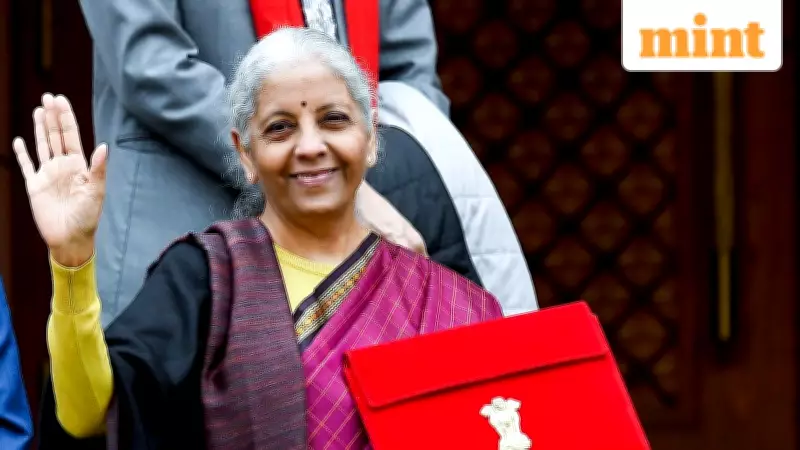
In a significant push to bolster India's tourism sector while prioritizing environmental conservation, Finance Minister Nirmala Sitharaman unveiled comprehensive initiatives during the presentation of the Union Budget 2026-27 on Sunday. The announcements focus on developing sustainable infrastructure, enhancing human resources, and promoting cultural heritage to position India as a premier global destination for eco-conscious travelers.
Developing Ecologically Sustainable Mountain Trails
Highlighting India's untapped potential in adventure tourism, Sitharaman announced plans to create 'ecologically sustainable trails' in picturesque hilly areas across the country. The initiative aims to offer world-class trekking and hiking experiences while ensuring minimal impact on fragile ecosystems.
The government will develop these sustainable mountain trails in multiple regions:

- Himachal Pradesh in the Himalayas
- Uttarakhand in the Himalayan foothills
- Jammu & Kashmir in the northern mountains
- Araku Valley in the Eastern Ghats of Andhra Pradesh
- Pothigai Malai in the Western Ghats of Tamil Nadu
"India possesses remarkable potential and opportunity to deliver exceptional trekking and hiking experiences that respect our natural environment," Sitharaman emphasized during her budget speech.
Comprehensive Training for Tourist Guides
To complement the infrastructure development, the government will launch an ambitious pilot program to train 10,000 tourist guides across 20 iconic destinations nationwide. This structured 12-week hybrid training program, developed in collaboration with the prestigious Indian Institute of Management, aims to professionalize India's guiding services.
The curriculum will enhance guides' expertise in multiple critical areas:
- Local culture and traditions
- Historical context and storytelling
- Safety protocols and emergency response
- Eco-tourism principles and sustainable practices
Boosting Heritage and Creative Tourism
The budget also includes substantial investments in cultural infrastructure, with plans to upgrade 15 archaeological sites into major cultural hubs. This initiative seeks to strengthen India's heritage tourism ecosystem and provide visitors with enriched historical experiences.
Additionally, a creative-skills initiative will establish ABGC content creation labs in 1,500 schools and 500 colleges nationwide. This forward-looking program aims to nurture young storytellers who can effectively promote India's diverse tourism narratives both domestically and internationally through digital media.
Sustainable Transport and Wildlife Tourism
Addressing the need for environmentally sustainable passenger transport, Sitharaman proposed developing seven high-speed rail corridors connecting key urban and economic centers:
- Mumbai–Pune corridor
- Pune–Hyderabad route
- Hyderabad–Bengaluru connection
- Hyderabad–Chennai line
- Chennai–Bengaluru corridor
- Delhi–Varanasi route
- Varanasi–Siliguri connection
These corridors will link India's financial hubs, technology centers, manufacturing clusters, and emerging cities, enabling faster and cleaner mobility for both tourists and residents.
The budget also includes special provisions for wildlife tourism, with plans to create turtle trails along nesting sites in Odisha, Karnataka, and Kerala, plus bird-watching trails around Pulicat Lake. These initiatives demonstrate the government's holistic approach to developing diverse tourism experiences while maintaining ecological balance.