Forget Finland or Sweden; the true global capital of lakes is Canada. This northern nation boasts a staggering number of freshwater bodies, a remarkable legacy carved by ancient ice sheets and its vast geography. Its count of lakes far surpasses that of any other country, making it the undisputed freshwater champion of the world.
The Staggering Numbers Behind Canada's Lake Dominance
Exactly how many lakes does Canada have? The figure depends on definitions, but the numbers are mind-boggling. One widely accepted estimate puts the count at approximately 879,800 lakes that are 0.1 square kilometres or larger. This already dwarfs the totals of any other nation. When smaller water bodies are included, broader estimates suggest the number rockets to well over two million lakes across the country.
Some researchers even claim that Canada contains over 60 percent of the world's lakes above a certain size, potentially more than all other countries combined. While this specific "combined" claim is debated, the core fact is not: Canada's lake count eclipses every other nation's by a huge margin. Lakes cover an estimated nine percent of Canada's total land area, an exceptionally high proportion for any country.

The Icy Origins of a Freshwater Wonderland
This incredible aquatic bounty is a direct gift from the last Ice Age. Enormous sheets of ice once buried much of present-day Canada. As these colossal glaciers advanced and retreated, they gouged and fractured the bedrock beneath them. This process created countless basins and deep gashes in the landscape.
When the ice finally melted, these depressions filled with water from precipitation and snowmelt, forming the lakes we see today. This phenomenon is especially pronounced in the Canadian Shield, a massive expanse of ancient rock that was sculpted by glaciers over millennia. This region is now a vast, wild freshwater wonderland.
Another key factor is Canada's sheer size and northern location. A great majority of its lakes remain in a near-natural, wild state because so much of the nation's territory is still undeveloped wilderness. The country's identity has been shaped as much by its intricate network of water as by its land.
From Great Lakes to Glacier Jewels: A Nation Defined by Water
The scale of Canada's freshwater wealth is underlined by some headline facts. The five Great Lakes, which it shares with the United States, collectively hold about 18 percent of the world's fresh surface water. This highlights the global significance of the country's water resources.
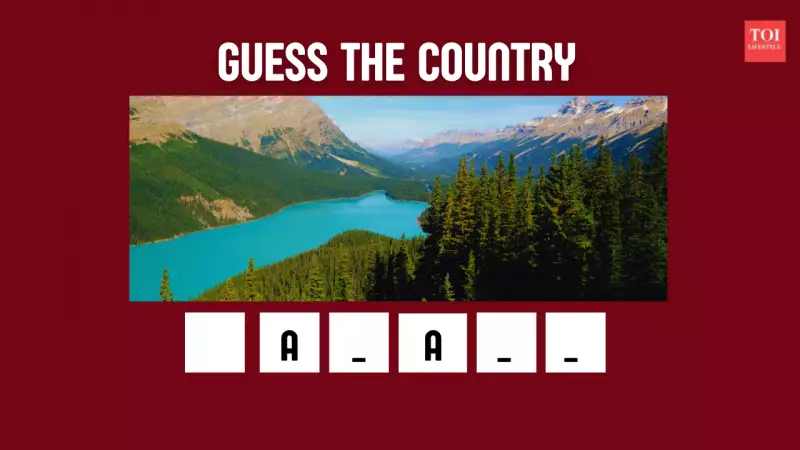
For explorers and travellers, this aquatic wealth translates into endless possibilities. The range is incredible, from the remote wilderness waterways of Manitoba and the Northwest Territories to the stunning turquoise glacier-fed lakes of Banff and Jasper National Parks. The experience of paddling across a still lake at dawn or watching the northern lights shimmer over a frozen, snowy lake in winter is uniquely Canadian.
Given the sheer number, even a lifetime of exploration would only scratch the surface of Canada's lakes. They are not just scenic backdrops but central to the nation's ecology, history, and the profound experiences it offers to those who visit its shores.