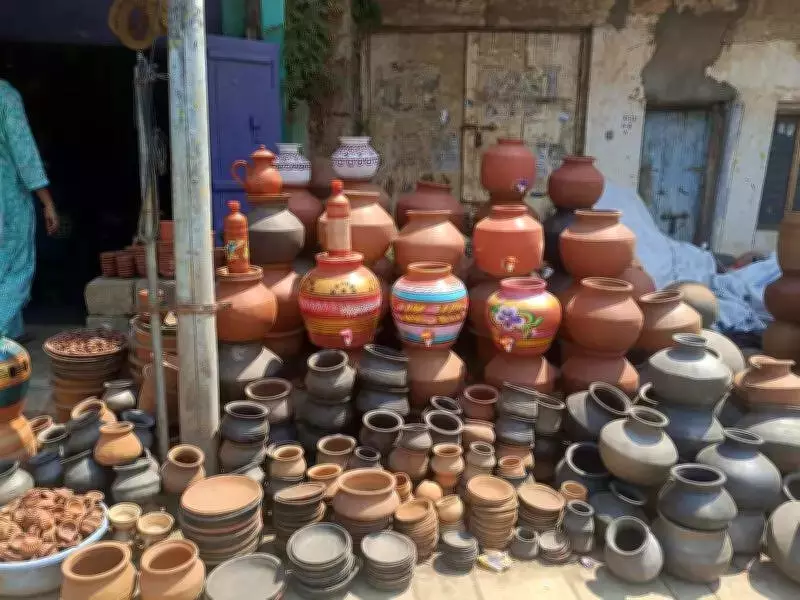
Hubballi Clay Pot Sales Surge as Early Summer Heat Intensifies Demand
As rising temperatures scorch Hubballi, the humble clay pot—often called the 'fridge of the poor'—has returned to the limelight, triggering a brisk buying spree across the city. With summer setting in early, demand for these traditional earthen vessels has surged dramatically, prompting vendors to respond with a wide range of models flooding the market.
Seasonal Rush Transforms City Streets
The seasonal rush is highly visible throughout Hubballi, where temporary stalls have appeared along major roads and busy junctions, turning everyday commuting routes into lively marketplaces for cooling essentials. From a distance, the reddish-brown earthenware stands out strikingly against asphalt and concrete, drawing passers-by to stop, inspect, and bargain.
Prominent selling points include:

- Sangolli Rayanna Circle
- Court Circle
- Deshpande Nagar
- Keshwapur Road
- Durgadbail
- Veerapur Oni
At these locations, rows of pots are displayed in neat stacks and clusters, creating vibrant scenes of commerce.
Variety and Affordability Drive Purchases
Sellers are offering pots in multiple sizes to cater to diverse household needs:
- Small pots for individual use
- Medium pots for families
- Larger storage pots suited for shops, offices, and homes with higher water consumption
Prices vary significantly according to size and design. Larger pots command higher rates, while smaller, basic models remain affordable for daily wage earners and students living in rented accommodations. Shaila Managuli, a clay pot dealer in Veerapur Oni, reported that clay bottles are selling for Rs 250, with attractively decorated pots fetching up to Rs 650.
Practicality Meets Tradition
Many buyers are motivated by both practicality and tradition, preferring the naturally cooled taste of water stored in clay over refrigerated water, especially during summer months. Raghunath Joshi, who purchased a clay bottle in Keshwapur, explained, 'The water from a clay pot never turns too cold and gives the best taste during summer.'
This early-summer surge in interest demonstrates how clay pots continue to hold relevance despite modern appliances. For numerous Hubballi residents, they remain an economical, electricity-free method to keep drinking water cool, making them a dependable seasonal purchase.
A Familiar Annual Pattern
As the heat intensifies, the roadside stalls in Hubballi reflect a familiar annual pattern—an intersection of necessity, affordability, and a time-tested approach to beating summer. Managuli noted that many stalls have appeared along roads throughout the city, with people showing strong preference for clay pots to store drinking water.
The resurgence of clay pottery highlights how traditional solutions maintain their appeal in contemporary urban settings, particularly when they offer sustainable, cost-effective alternatives to modern technology.