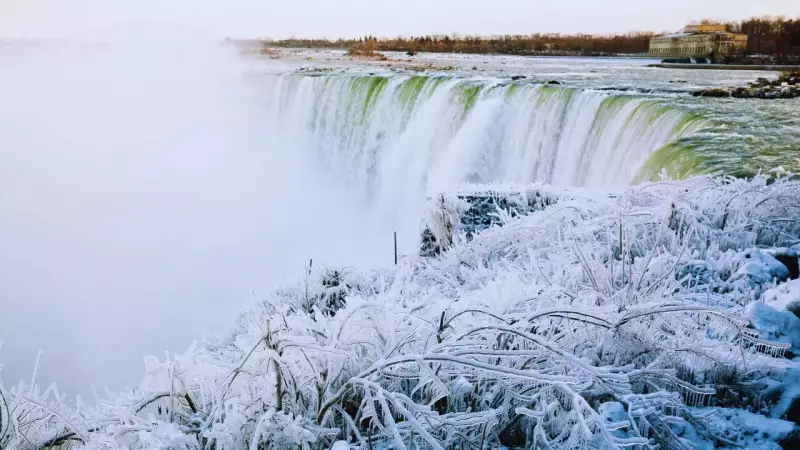
Every winter, a familiar spectacle captures the world's imagination: images and stories claiming that the mighty Niagara Falls has frozen solid. The pictures are undeniably breathtaking, showing what appears to be a completely frozen cascade. However, the truth behind this natural phenomenon is even more fascinating. Let's set the record straight: Niagara Falls never fully freezes over, regardless of how bitterly cold the temperature drops.
The Science Behind the Flow: Why Niagara Never Stops
The primary reason for this is the sheer, immense volume of water that constantly surges over the cliffs. An astounding over three million litres of water per second flows over the falls. This continuous, powerful movement generates tremendous energy, which prevents the water from freezing solid at the crest. The falls simply cannot freeze over entirely. But what happens instead creates a winter wonderland that is arguably more spectacular.
While the central torrent of water remains flowing, the extreme cold works its magic on everything surrounding it. The mist and spray that rise from the crashing water below freeze instantly upon contact with the cold air and any surface they touch. This includes the surrounding cliffs, rocks, trees, and railings. Ice builds up progressively along the edges of the falls and the Niagara River, creating magnificent, sculptural formations that give the powerful illusion of a frozen waterfall. This partial freezing transforms the entire landscape into one of North America's most dramatic winter sights.

A Winter Sculpture Garden: Ice Formations and Frozen Mist
The freezing spray doesn't just create a light dusting; it builds monumental structures over time. As the mist rises and freezes, it accumulates into massive ice formations that cling to the gorge walls. These can resemble frozen waves, towering ice castles, or intricate natural sculptures shaped by wind and water. They create a stunning, natural amphitheatre of ice that frames the roaring, unfrozen water at its heart. The contrast between the dynamic, flowing water and the static, jagged ice is a visual drama unlike any other.
During prolonged cold spells, the Niagara River itself begins to show signs of winter's grip. Thick ice develops along its edges, and large ice sheets and floes gather near the base of the falls. These accumulations can slow the surface flow of the river, further enhancing the illusion that the entire system is freezing. It is likely these impressive ice buildups that sparked the legends of a fully frozen Niagara in the first place.
Why Winter is a Secret Season for Visitors
Beyond the ice, a blanket of snow transforms the Niagara region into a serene, fairytale landscape. Snow-covered trees line the frost-glistening pathways, offering photographers a pristine, monochromatic palette that is incredibly rewarding. The atmosphere becomes otherworldly, with the constant spray creating a shimmering haze of ice crystals in the air.
Practically, winter offers a uniquely intimate experience. The summer months at Niagara Falls are often characterized by overwhelming crowds. In contrast, the colder season sees visitor numbers thin significantly. This allows for an unhurried, peaceful exploration of the viewpoints and attractions. You can truly absorb the thunderous sound of the falls and the stark beauty of the ice at your own pace, making it a perfect time for a reflective and awe-inspiring holiday.
So, while the iconic falls themselves defy a complete freeze, the winter season wraps them in a breathtaking display of ice and snow. It's a testament to nature's power and artistry, proving that sometimes the reality is more intriguing than the myth.