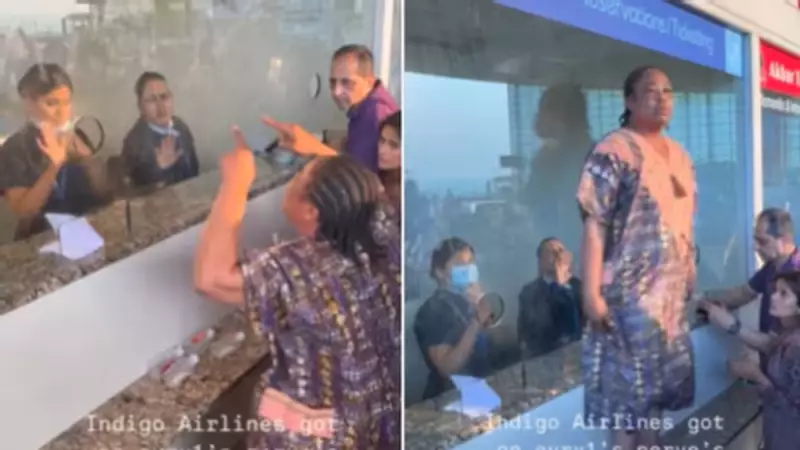
A scene of utter chaos and passenger frustration unfolded at Delhi's Indira Gandhi International Airport on Friday, December 6, 2024, as budget carrier IndiGo cancelled a massive number of flights. The disruption, attributed to a severe shortage of available crew, led to long queues, angry arguments, and one particularly dramatic incident where a foreign national climbed onto an airline check-in counter in protest.
Widespread Disruption and a Dramatic Protest
The travel plans of thousands were thrown into disarray as IndiGo, India's largest airline by market share, announced the cancellation of hundreds of flights. The airline cited "crew unavailability" as the primary reason for the unprecedented disruption. Passengers were left stranded at airports across the country, with Delhi's Terminal 2 becoming a focal point of the ensuing chaos.
Amid the growing frustration, a foreign passenger, whose identity remains unknown, took extreme action. A video that quickly went viral on social media shows the man climbing onto an IndiGo check-in counter at Delhi airport. He is seen standing on the counter, visibly agitated, while airport staff and other passengers look on. The act was a stark visual representation of the breakdown in communication and service that many travelers experienced.

The Root Cause: Crew Shortage Crisis
IndiGo officially acknowledged the crisis, stating that the cancellations were due to a significant number of crew members being unavailable to operate flights. While the airline did not specify the exact nature of the unavailability, such mass disruptions are often linked to factors like:
- Unexpected sick leaves or fatigue-related issues among cockpit and cabin crew.
- Regulatory duty time limitations being reached simultaneously for a large pool of staff.
- Logistical failures in crew scheduling and management systems.
The airline assured affected passengers that they were being accommodated on alternative flights or offered refunds. However, the sheer scale of the cancellations meant that rebooking options were limited, leading to overcrowding at service desks and helplines being overwhelmed.
Passenger Fallout and Industry Implications
The incident highlights a recurring pain point in Indian aviation: operational resilience. While weather and air traffic control issues are common causes for delays, large-scale cancellations due to internal resource management point to deeper systemic challenges. Passengers faced significant hardships, including:
- Missed connecting flights and international journeys.
- Hotel and additional expense burdens for those stranded.
- Important business meetings, family events, and medical appointments being missed.
The visual of a passenger resorting to climbing a counter—though an extreme and unsafe form of protest—underscores the desperation and helplessness felt by travelers when faced with opaque communication and limited immediate solutions from airlines. It serves as a wake-up call for the aviation industry to bolster its operational planning and crisis communication protocols.
As India's aviation sector continues its rapid post-pandemic expansion, ensuring robust crew management and contingency planning is paramount. The December 6 incident at Delhi airport is more than a viral video; it is a symptom of the growing pains in an industry struggling to match infrastructure and human resource readiness with soaring passenger demand.