

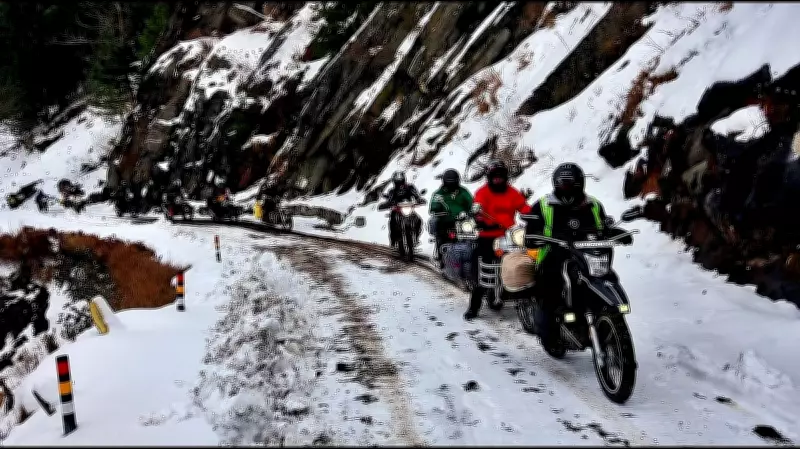
Gangotri in Winter: The Silent, Snow-Covered Himalayan Town
Gangotri, a revered pilgrimage site in Uttarakhand, undergoes a dramatic transformation during the winter months, becoming a desolate and frozen landscape. As temperatures plummet to as low as -10°C or even colder, this bustling town near the source of the Ganges River turns into a ghost town, with most of its residents migrating to warmer regions to escape the harsh conditions.
The Harsh Winter Climate of Gangotri
The winter season in Gangotri is characterized by extreme cold and heavy snowfall, which typically begins in late October and lasts until April. The town, situated at an altitude of over 3,000 meters in the Garhwal Himalayas, experiences sub-zero temperatures that make daily life nearly impossible for its inhabitants. Roads become impassable due to snow accumulation, cutting off access and isolating the area from the rest of Uttarakhand.
Migration and Abandonment During the Cold Months
In response to these severe conditions, the majority of Gangotri's population, including shopkeepers, hotel owners, and pilgrims, relocates to lower-altitude towns such as Uttarkashi. This annual migration leaves the town almost entirely abandoned, with only a handful of hardy souls, often temple priests or local officials, choosing to stay behind. The silence that descends upon Gangotri is profound, broken only by the howling winds and the crunch of snow underfoot.

Key aspects of this seasonal shift include:
- Economic Impact: Tourism and pilgrimage activities come to a complete halt, significantly affecting the local economy that relies heavily on visitors during the warmer months.
- Infrastructure Challenges: Essential services like electricity and water supply are often disrupted, adding to the difficulties faced by those who remain.
- Cultural Significance: Despite the abandonment, the Gangotri Temple, dedicated to Goddess Ganga, remains a symbol of resilience, with rituals sometimes continuing in a limited capacity.
Environmental and Tourism Implications
The winter freeze in Gangotri highlights the delicate balance between human habitation and the harsh Himalayan environment. While the town's isolation poses challenges, it also offers a unique opportunity for adventure tourism, with some trekkers and photographers braving the cold to witness its pristine, snow-covered beauty. However, authorities emphasize the need for caution due to the risks of avalanches and extreme weather.
This seasonal phenomenon underscores the broader issues faced by high-altitude communities in Uttarakhand, where climate change and unpredictable weather patterns are increasingly impacting traditional ways of life. As Gangotri chills in winter, it serves as a stark reminder of nature's power and the adaptability required to survive in one of India's most remote regions.






