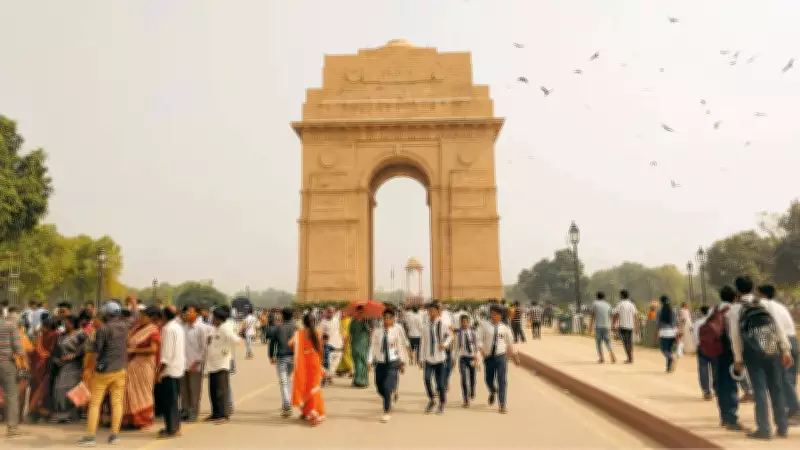
India's famous cities continue to welcome large numbers of tourists even at the height of summer. However, the period of heat waves in the country calls for a different kind of experience. The common error made by tourists is not avoiding visits to the place in summer, but visiting it as one would in winter. There is no such thing as trivial advice when traveling in hot weather – everything from time, area of stay, mode of travel, and even food can spell success or disaster.
Delhi: Going Straight to Red Fort Instead of Exploring the City's Cooler Heritage Side
When visiting Delhi, tourists often go to exposed structures like the Red Fort or India Gate in the middle of the morning as the temperature begins to heat up. A far better summer experience is starting in shaded heritage zones such as Sunder Nursery, Lodhi Garden, or Humayun's Tomb right when gates open. Tree cover, morning light, and lower crowds make a major difference. Reminder: Do not choose exposed landmarks first. Begin with green heritage spaces and save indoor museums for later in the day. You cannot go wrong with this approach.
Jaipur: Visiting Amber Fort at Mid-Day
Tourists visiting Jaipur usually reach Amber Fort after breakfast, precisely when the heat starts trapping inside the walls of the fort. Tourists should visit Amber Fort either early morning or skip the fort in the heat and go to cooler destinations in the city, such as the Albert Hall Museum, step wells, block-printing workshops, and cooler sections of the palace complex. You can add evening shopping for souvenirs to your itinerary.

Lucknow: Only Chasing Food and Missing the Cultural Side
Tourists visiting Lucknow primarily come to taste Lucknowi kebabs and biryanis. As a result, they spend hot afternoon hours traveling around different eateries of Lucknow, thus failing to explore Lucknow's beautiful indoor places like Bara Imambara, interiors of Chota Imambara, museums, old cafés, and Nawabi architecture. What tourists must do is not make Lucknow just about eating; Lucknow's beautiful indoor heritage must also be included.
Ahmedabad: Disregarding the Stepwells and Climate-Responsive Architecture
Travelers usually get stuck on markets or historical tours without realizing that Gujarat's traditional architecture was constructed in response to high temperatures. Step wells, sculpted havelis, shadow-filled courtyards, and heritage buildings exemplify designs from centuries ago, which may provide greater pleasure than wandering aimlessly around during the day.
Nagpur: Utilizing It as a Transit Stop and Overlooking the City's Finest Seasons
Nagpur is generally viewed as an intermediary city, especially during summer when tourists are in a hurry to finish their tasks and depart. Instead, visitors should approach Nagpur as a slow city, allowing them to participate in the early morning market, enjoy lunch at home, rest in the afternoon, and spend time at the lake or enjoying local cuisine as the temperature drops.