

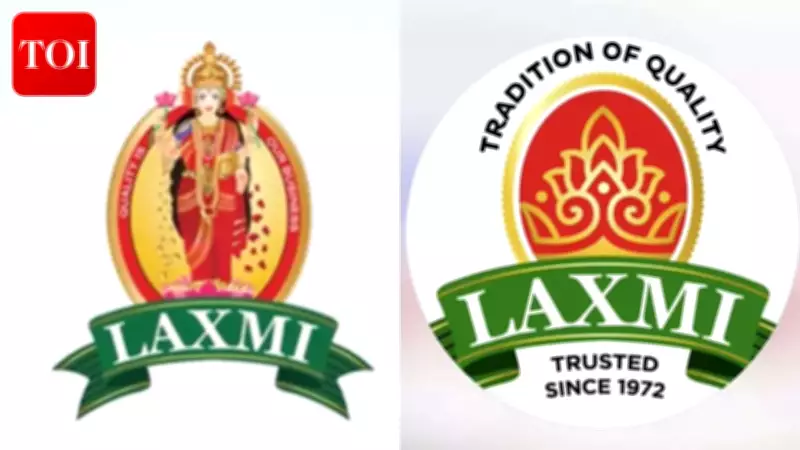
Indian-Origin Food Brand in New York Sparks Major Controversy Over Logo Change
An Indian-origin food brand operating from New York has ignited a significant online firestorm after customers noticed the removal of the Goddess Laxmi idol from its product packaging. The controversy erupted when a viral post on X, formerly known as Twitter, brought widespread attention to what many perceive as a disrespectful alteration of long-standing branding.
Viral Social Media Post Triggers Widespread Debate
The controversy gained momentum through a post from the account Indian-American, which specializes in highlighting issues relevant to Hindu Americans and commands a following of 44,200 users. The account sharply criticized the brand for replacing the traditional deity logo with what it described as a "meaningless, confusing illustration." The post demanded, "Did you remove it to get buyers who think Laxmi offends them?! Bring her back!" This callout rapidly gained prominence across the platform, transforming into a viral trend that sparked intense discussions about religious representation on commercial packaging.
Divided Consumer Reactions and Religious Sensitivities
The online debate revealed sharply divided perspectives among consumers. Some users expressed discomfort with religious imagery on packaging, with one customer explaining, "I actually went out of my way to avoid purchasing this brand because of the deity on the packaging. It felt nearly impossible to properly dispose of the empty packaging in the trash." Another user echoed similar concerns about disposal dilemmas, stating, "It is always a dilemma for me to buy products featuring our deities. What should be done with the packaging after use? I don't feel comfortable throwing it in the trash."

However, many users interpreted the logo change as pandering to anti-Hindu sentiments. The original poster responded to comments by suggesting, "I think they removed it to not offend anti-Hindu haters." Other critics accused the brand of abandoning its cultural roots, with one user remarking, "This brand has been deteriorating by catering excessively to 'South Asians' rather than maintaining its authentic identity."
Brand History and Timing of Logo Change
Interestingly, some users pointed out that the packaging transformation occurred several years earlier than the current controversy suggests. According to brand documentation, the logo was actually updated in 2020, with the company introducing a new lotus symbol—a flower deeply associated with and cherished by Goddess Laxmi in Hindu mythology. A video on the brand's YouTube channel announced, "Your favorite food brand Laxmi now has a new logo," showcasing the redesigned packaging.
Established in 1972 in Jackson Heights, New York, by entrepreneurs G.L. Soni and his brother K.L. Soni under their business venture House of Spices, the brand has grown to operate multiple stores across the United States. It specializes in South Asian culinary products including spices and various food items, primarily serving a South-Asian consumer demographic. The brand explained that the change was implemented based on customer feedback regarding difficulties with disposing of or accumulating packaging featuring religious imagery.
Broader Implications for Religious Representation
The controversy has expanded beyond this specific brand to address larger questions about religious symbols on consumer goods. Some commenters advocated for broader initiatives to restrict deity imagery on packaging that ultimately becomes waste. One user noted, "Most commenters actually seem satisfied with this change, with some even calling for wider bans on god and goddess idols on disposable packaging." This perspective highlights growing concerns about the respectful treatment of religious symbols in commercial contexts.
The incident demonstrates how packaging decisions can unexpectedly trigger cultural and religious debates in today's interconnected digital landscape. As brands navigate multicultural markets, balancing commercial considerations with religious sensitivities remains a complex challenge with significant implications for consumer perception and brand loyalty.






