

The Color Code of Indian Railways: More Than Just Aesthetic Choice
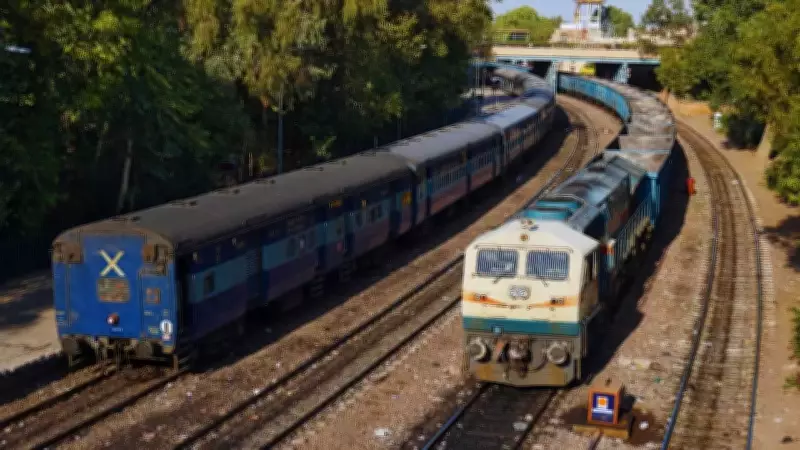
For travelers navigating India's vast railway network, the first visual impression at any station is often a vibrant spectrum of colors. The deep blues of arriving trains, the striking reds hinting at modernity, and the sleek whites appearing almost futuristic create a colorful tapestry across platforms. While these hues might seem like simple design choices, they actually represent a sophisticated, unofficial classification system that reveals crucial information about train type, comfort level, and technological generation.
Blue Coaches: The Classic Backbone of Indian Railways
The familiar blue coaches dominating Indian railway platforms belong to the older ICF (Integral Coach Factory) generation. These trains have served as the reliable workhorses of long-distance travel for decades, transporting millions of passengers daily across the country's extensive network. When you board a blue-coach train, you're typically accessing mail or express services known for their reliability, extensive reach, and economical pricing.
While these traditional coaches have provided faithful service for generations, they're gradually being phased out in favor of newer, safer alternatives. The blue train experience remains functional and familiar to countless passengers, representing accessible rail travel that has connected India's diverse regions for years.

Red Coaches: The Modern Safety Revolution
In recent years, red or maroon-colored coaches have increasingly appeared on major routes, signaling a significant upgrade in railway technology. These are LHB (Linke Hofmann Busch) coaches, representing a substantial leap forward in passenger safety, travel speed, and overall comfort. For observant travelers, spotting a red train immediately indicates a more modern rail experience.
The LHB coaches offer multiple advantages over their blue predecessors, including higher operational speeds, smoother rides, and enhanced structural integrity that reduces damage during collisions. These coaches frequently appear in premium and superfast train categories, marking a clear technological advancement from the traditional blue-colored trains that once dominated the rails.
White Trains: The Future Arrives on Rails
The sleek white trains, most notably represented by the Vande Bharat Express, represent the cutting edge of Indian rail travel. These aren't conventional trains but integrated trainsets where engines and coaches merge into a single, streamlined unit. The distinctive white color communicates a clear message to travelers: premium experience, maximum speed, and futuristic design.
White trains promise reduced travel times, enhanced passenger amenities, and a distinctly modern travel experience that contrasts sharply with traditional rail journeys. They symbolize India's ambitious rail modernization program and offer glimpses into the future of domestic transportation.
What Colors Don't Reveal: Important Limitations
While train colors provide helpful visual cues, they don't tell the complete story about service quality or speed. A red-colored train isn't automatically faster than a blue one, nor does a blue train guarantee slower travel times. For accurate journey information, passengers should always verify:
- The specific train category (Express, Superfast, Rajdhani, etc.)
- Coach classification codes (Sleeper, 3AC, Chair Car, etc.)
- Official timings and ticket details
Colors offer preliminary indications rather than definitive truths about train capabilities and services.
Why This Color Knowledge Matters for Travelers
Understanding India's railway color system provides practical advantages for navigating crowded stations and planning journeys. A quick glance at train colors can help passengers:
- Determine whether their train belongs to older or newer generations
- Form realistic expectations about comfort levels and amenities
- Distinguish between standard and luxury services more easily
- Add an educational dimension to the travel experience
Ultimately, this color awareness transforms rail travel from simple point-to-point transportation into a more engaged experience of observation, adaptation, and understanding India's railway rhythms and evolution.






