Beyond Sightseeing: Exploring India's Most Significant Dark Tourism Destinations
Dark tourism represents a unique form of travel that involves visiting places associated with death, tragedy, suffering, or major historical trauma. Unlike conventional tourism focused on leisure and entertainment, these journeys invite visitors to reflect, learn, and remember difficult chapters of history. In India, with its long and complex historical narrative, several locations have emerged as important dark tourism sites that reveal how the nation remembers its darkest moments through travel.
Understanding Dark Tourism in the Indian Context
Dark tourism destinations typically include massacre sites, battlefields, prisons, disaster areas, and memorials that commemorate tragic events. Visitors to these places seek to connect with history in a deeper, more meaningful way than simply viewing monuments or taking photographs. These sites serve as powerful reminders of human suffering, resilience, and the ongoing impact of historical events on contemporary society.
Five Prominent Dark Tourism Destinations in India
India offers numerous locations where travelers can engage with difficult historical narratives. Here are five well-known dark tourism destinations that provide profound insights into the nation's past:

Jallianwala Bagh, Amritsar (Punjab)
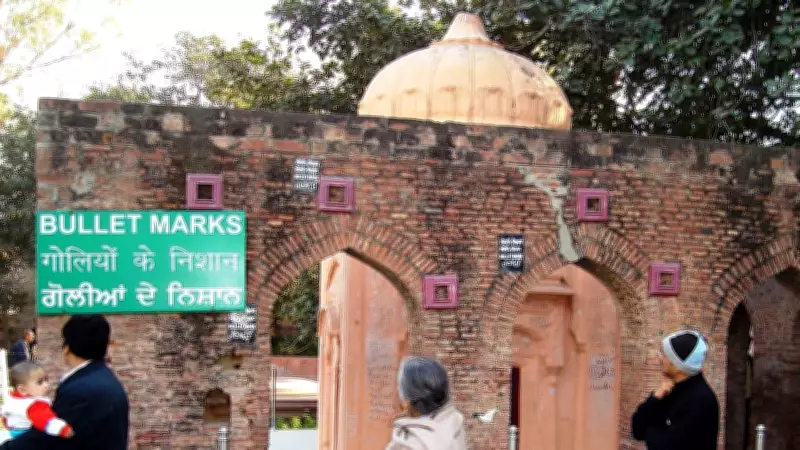
Jallianwala Bagh stands as one of India's most haunting historical sites, commemorating the tragic 1919 massacre when British troops fired upon unarmed civilians, resulting in hundreds of deaths. Today, visitors can explore preserved bullet marks on walls, the Martyrs' Well where many victims sought refuge, and the comprehensive memorial complex. This site serves not only as an educational resource about colonial brutality but also as an emotional connection point to a pivotal moment in India's struggle for independence.
Cellular Jail, Port Blair (Andaman & Nicobar Islands)
Often referred to as Kaala Paani, the Cellular Jail was a colonial-era prison where Indian freedom fighters endured extreme isolation, torture, and forced labor. Now designated as a national memorial, the facility features solitary confinement cells, gallows, and a compelling light-and-sound show that narrates stories of resistance and suffering. This site has become a powerful symbol of sacrifice and resilience, making it one of India's most significant dark tourism destinations.
Bhopal Gas Tragedy Sites, Bhopal (Madhya Pradesh)
The 1984 Bhopal gas disaster remains one of the world's worst industrial accidents, where thousands were exposed to toxic methyl isocyanate gas, causing immediate deaths and long-term health complications. Dark tourism in Bhopal involves visiting affected neighborhoods, memorials, and museums that document the devastating consequences of corporate negligence and environmental injustice. These locations serve as sobering reminders of how industrial disasters can impact communities for generations.
Kargil War Memorial, Dras (Ladakh)
Set against the stark Himalayan landscape, the Kargil War Memorial honors Indian soldiers who lost their lives during the 1999 Kargil conflict. While not tragic in the civilian sense, this site embodies profound loss, sacrifice, and the harsh realities of warfare. Visitors encounter names etched in stone memorials, preserved war relics, and panoramic views of the battlegrounds, creating a solemn space for remembrance and reflection on the costs of conflict.
Partition Museum, Amritsar (Punjab)
The Partition Museum is dedicated to documenting one of history's largest mass migrations during the 1947 Partition of India. Through oral histories, personal artifacts, photographs, and archival materials, the museum reveals the violence, displacement, and trauma experienced by millions. This institution has become an essential dark tourism destination for understanding generational trauma and shared histories across borders, offering nuanced perspectives on political decisions with profound human consequences.
The Significance of Dark Tourism in Contemporary India
These dark tourism sites serve multiple important functions in modern Indian society:

- Preserving historical memory and preventing historical amnesia
- Providing educational opportunities about difficult historical periods
- Creating spaces for collective mourning and remembrance
- Fostering empathy and understanding across generations
- Highlighting ongoing social and political issues through historical context
As India continues to develop its tourism infrastructure, these dark tourism destinations offer visitors opportunities to engage with the nation's complex history beyond conventional sightseeing. They remind us that travel can be not just about pleasure, but about understanding, reflection, and meaningful connection with the past.