Italy's Hidden UNESCO Treasures: Beyond the Beaten Path
While Italy is renowned for iconic UNESCO World Heritage Sites like the historic centers of Rome, Venice, and Florence, the country boasts numerous lesser-known gems that offer equally captivating cultural and historical experiences. These hidden treasures, scattered across the Italian peninsula, provide a deeper insight into the nation's diverse heritage, from ancient civilizations to medieval artistry and natural wonders.
Ancient Ruins and Archaeological Marvels
Beyond the famous Roman Forum and Pompeii, Italy shelters several archaeological sites that are UNESCO-listed but often overlooked by mainstream tourism. For instance, the Su Nuraxi di Barumini in Sardinia features prehistoric nuraghe structures dating back to the Bronze Age, showcasing unique defensive architecture. Similarly, the Archaeological Areas of Pompei, Herculaneum, and Torre Annunziata include lesser-visited parts like the Villa Oplontis, which offers well-preserved Roman frescoes and gardens.
Medieval Towns and Cultural Landscapes
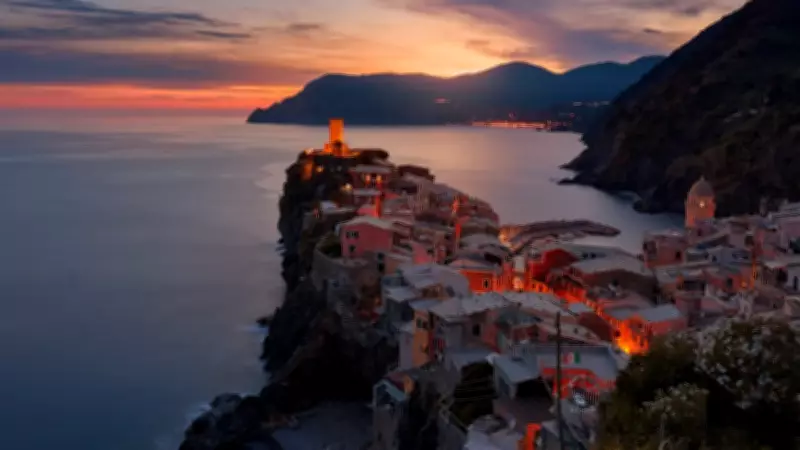
Italy's countryside is dotted with medieval towns and cultural landscapes recognized by UNESCO. The Cinque Terre is famous, but sites like the Sacri Monti of Piedmont and Lombardy present a series of chapels and religious artworks set in picturesque hills, blending spirituality with nature. Additionally, the Val d'Orcia in Tuscany exemplifies Renaissance agricultural ideals with its rolling hills, cypress trees, and historic farmsteads, providing a serene escape from urban crowds.

Other notable mentions include the Arab-Norman Palermo and the Cathedral Churches of Cefalù and Monreale in Sicily, which highlight a fusion of Byzantine, Islamic, and Norman architectural styles. These sites reflect Italy's complex history of cultural exchanges and artistic innovations.
Natural and Industrial Heritage
Italy's UNESCO list also encompasses natural and industrial sites that are often overshadowed. The Dolomites mountain range offers stunning landscapes with unique geological formations, while the Vineyard Landscape of Piedmont: Langhe-Roero and Monferrato celebrates centuries-old winemaking traditions. For industrial heritage, the Ivrea, industrial city of the 20th century showcases modernist architecture and urban planning from the Olivetti company era.
Exploring these lesser-known sites not only reduces overtourism in popular destinations but also supports local communities and preserves Italy's multifaceted heritage. Whether you're interested in history, art, or nature, these hidden UNESCO gems provide enriching experiences away from the typical tourist trails.